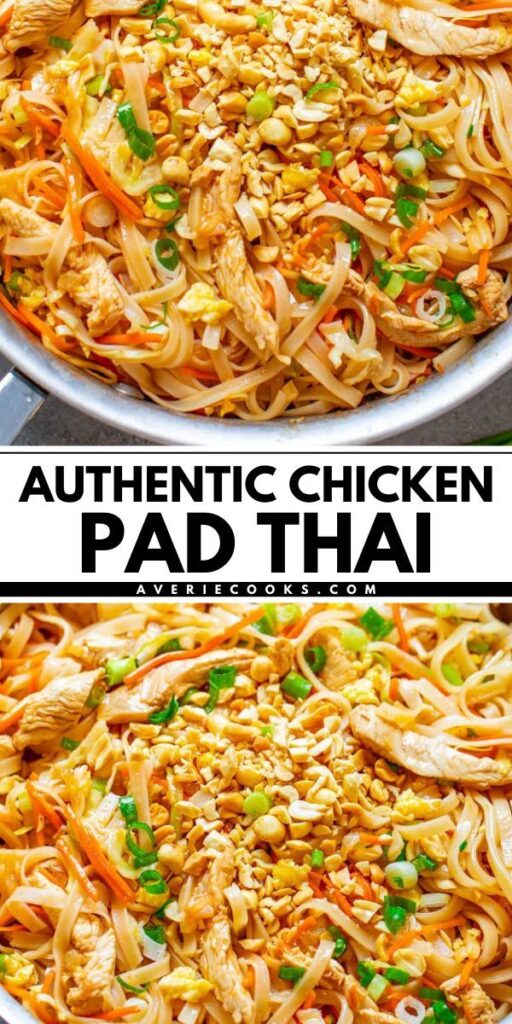
There's something almost meditative about making Pad Thai at home. The rhythmic sizzle of the wok, the way the noodles soften and dance in the sauce, the fragrance of tamarind and fish sauce filling the kitchen – it's a practice in patience and presence. I've spent years perfecting this recipe, testing it in my own kitchen and in cooking classes, and I'm excited to share it with you.
Advertisements1
This isn't the overly sweet, ketchup-laden version you might have tried. It's the real thing: balanced, vibrant, and full of umami. The key is to prep everything before you start cooking, because once the wok is hot, it moves fast. But that's part of the beauty – it forces you to be in the moment, to focus on the task at hand.
Whether you're a seasoned cook or a beginner, this recipe is forgiving. The measurements are precise, but the technique allows for adaptability. And remember, cooking is a journey, not a race. So take a deep breath, gather your ingredients, and let's create something delicious together.
Why You'll Love This Recipe
About the Ingredients
8 oz (225g) flat rice noodles (pad thai noodles)
These are wider than regular rice noodles. If you can't find them, use linguine-style rice noodles or even fettuccine, but adjust cooking time.
2 tbsp (30ml) tamarind paste
Tamarind gives that signature sour note. Look for jarred paste in Asian markets. If unavailable, substitute with 2 tbsp lime juice mixed with 1 tsp brown sugar.
3 tbsp (45ml) fish sauce
This provides salty umami. For a vegetarian version, use soy sauce or tamari, but add a pinch of salt to compensate.
1 tbsp (15ml) oyster sauce (optional)
Adds depth and a slight sweetness. Omit for vegetarian or use mushroom oyster sauce.
2 tbsp (30g) palm sugar or brown sugar
Palm sugar is traditional, but brown sugar works perfectly. It balances the sour and salty.
1/2 tsp chili flakes (or to taste)
Adjust to your heat preference. Use more for extra spice or omit for a milder version.
3 tbsp (45ml) vegetable oil, divided
Use a high smoke point oil like peanut or canola. Avoid olive oil as it burns.
2 cloves garlic, minced
Fresh garlic is essential. Pre-minced can be used, but fresh gives better flavor.
2 large eggs
They add richness and texture. For a vegan option, use scrambled tofu or omit.
1/2 lb (225g) shrimp, peeled and deveined
Use medium or large shrimp. You can swap with chicken breast, sliced thin, or extra tofu.
1/2 cup (75g) firm tofu, cut into small cubes
Tofu adds a nice contrast. Press it to remove excess water for better browning.
2 cups (120g) bean sprouts
Fresh sprouts add crunch. If unavailable, use shredded cabbage or julienned carrots.
1/2 cup (50g) chopped chives or green onions
Use the green parts for color and mild onion flavor. Chives are traditional.
1/4 cup (35g) roasted peanuts, chopped
Salted roasted peanuts are best. For a nut-free option, use toasted sesame seeds.
Lime wedges, for serving
A squeeze of fresh lime brightens everything. Don't skip it.
Tips & Tricks
- Prep everything before you start cooking – Pad Thai comes together quickly, and you won't have time to chop while the wok is hot.
- Soak the rice noodles in warm water for about 30 minutes until pliable but not fully soft. They'll finish cooking in the wok.
- Don't overcrowd the wok – cook in batches if needed to keep everything from steaming instead of stir-frying.
- Taste and adjust the sauce before adding the noodles – it should be a balance of sour, sweet, and salty.
Pro Tips
Step-by-Step Instructions
1. Soak the Noodles
Place the rice noodles in a large bowl and cover with warm water. Let them soak for 25-30 minutes until they are pliable but still firm. Drain and set aside. This ensures they don't become mushy when stir-fried.
2. Make the Sauce
In a small bowl, whisk together the tamarind paste, fish sauce, oyster sauce (if using), sugar, and chili flakes until the sugar dissolves. Taste and adjust – it should be a balance of sour, sweet, salty, and spicy. Set aside.
3. Prep the Proteins
Pat the shrimp dry with paper towels. Press the tofu cubes gently to remove excess water. This helps them brown better in the wok. Have the garlic, eggs, and other ingredients ready.
4. Heat the Wok
Place a wok or large skillet over high heat for 2-3 minutes. Add 2 tablespoons of oil and swirl to coat. The oil should shimmer but not smoke. This high heat is crucial for the stir-fry.
5. Cook the Shrimp and Tofu
Add the shrimp and tofu to the wok in a single layer. Cook without stirring for 1-2 minutes until the shrimp turn pink and the tofu is golden brown. Flip and cook for another minute. Remove from the wok and set aside.
6. Scramble the Eggs
Add the remaining 1 tablespoon oil to the wok. Pour in the beaten eggs and let them set for a few seconds. Scramble them gently until just cooked but still soft. Push them to one side of the wok.
7. Stir-Fry the Noodles
Add the soaked, drained noodles to the wok along with the garlic. Toss everything together, then pour the sauce over. Stir-fry for 2-3 minutes, using tongs to lift and separate the noodles, until they are tender and coated evenly.
8. Add the Finishing Touches
Return the shrimp and tofu to the wok, along with the bean sprouts and chives. Toss for another minute until the sprouts are slightly wilted but still crunchy. Remove from heat.
9. Serve with Garnishes
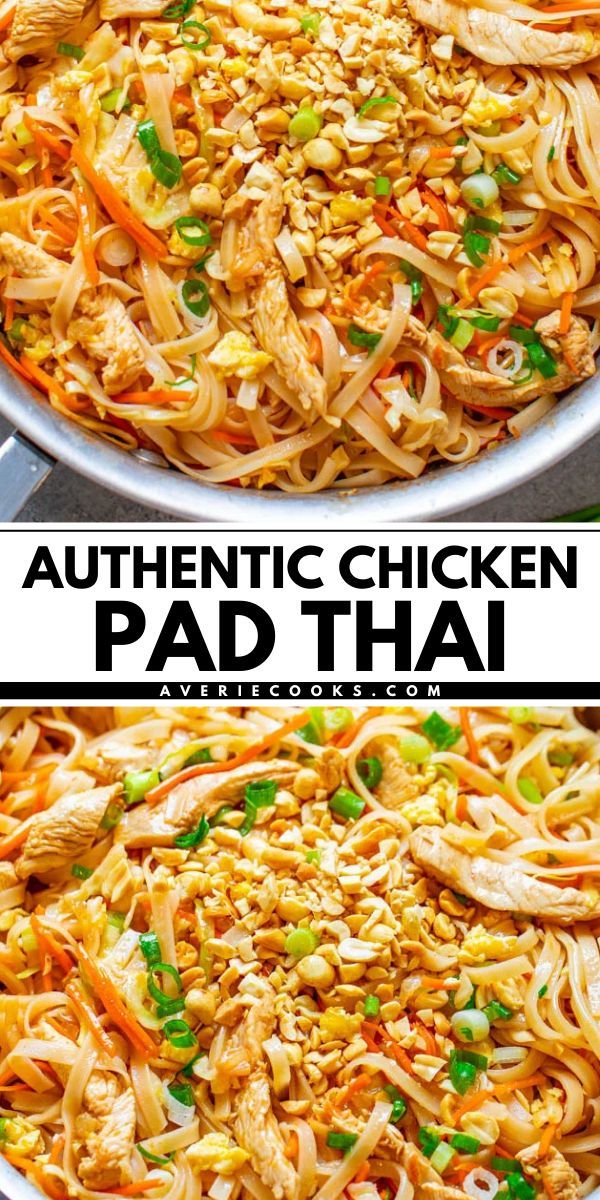
Plate the Pad Thai and top with chopped peanuts and extra chives. Serve immediately with lime wedges on the side. Encourage everyone to squeeze fresh lime over their portion.
Delicious Variations
Vegetarian Pad Thai
Omit the fish sauce and oyster sauce, use soy sauce and extra tofu or tempeh. Add more vegetables like bell peppers or carrots.
Chicken Pad Thai
Replace shrimp with thinly sliced chicken breast. Cook until no longer pink, about 3-4 minutes.
Spicy Pad Thai
Increase chili flakes or add a fresh Thai bird's eye chili, sliced, to the sauce for extra heat.
How to Store Real Pad Thai Recipe
Refrigerator
Store in an airtight container in the fridge for up to 3 days. The noodles may absorb sauce and become drier, so add a splash of water when reheating.
Freezer
Pad Thai is best enjoyed fresh, but you can freeze it in a sealed container for up to 1 month. Thaw overnight in the fridge before reheating.
Reheating
Reheat in a hot wok or skillet over medium-high heat with a little oil or water to loosen the noodles. Alternatively, microwave in 30-second intervals, stirring in between.
Frequently Asked Questions
Q: What is the best type of noodle for Pad Thai?
Flat rice noodles, also called pad thai noodles or sen lek, are the traditional choice. They're available in Asian grocery stores or online. If you can't find them, use wide rice noodles (like for pho) but adjust soaking time.
Q: Can I make Pad Thai without fish sauce?
Yes, you can substitute fish sauce with soy sauce or tamari for a vegetarian version. Add a pinch of salt to mimic the saltiness, and perhaps a touch more tamarind for that umami tang.
Q: Why is my Pad Thai too dry?
It might be that you overcooked the noodles or didn't use enough sauce. Make sure to soak noodles properly and have the sauce ready. If it's dry, add a splash of water or chicken broth while stir-frying.
Q: How do I get that smoky wok flavor at home?
Use a well-seasoned wok or cast iron skillet, get it very hot before adding oil, and don't overcrowd the pan. Cooking in batches helps achieve that high-heat sear.
I hope you enjoy making this real Pad Thai as much as I do. Remember, the beauty of cooking is in the process – embrace the sizzle, the aroma, and the joy of creating something nourishing. Breathe, reflect, grow.
Real Pad Thai Recipe
Real Pad Thai Recipe: a tangy, savory, and slightly sweet stir-fry with rice noodles, shrimp, and tofu, ready in 30 minutes.
🧂 Ingredients
- 8 oz (225g) flat rice noodles (pad thai noodles)
- 2 tbsp (30ml) tamarind paste
- 3 tbsp (45ml) fish sauce
- 1 tbsp (15ml) oyster sauce (optional)
- 2 tbsp (30g) palm sugar or brown sugar
- 1/2 tsp chili flakes (or to taste)
- 3 tbsp (45ml) vegetable oil, divided
- 2 cloves garlic, minced
- 2 large eggs
- 1/2 lb (225g) shrimp, peeled and deveined
- 1/2 cup (75g) firm tofu, cut into small cubes
- 2 cups (120g) bean sprouts
- 1/2 cup (50g) chopped chives or green onions
- 1/4 cup (35g) roasted peanuts, chopped
- Lime wedges, for serving
📋 Instructions
- 1Soak the Noodles — Place the rice noodles in a large bowl and cover with warm water. Let them soak for 25-30 minutes until they are pliable but still firm. Drain and set aside. This ensures they don't become mushy when stir-fried.
- 2Make the Sauce — In a small bowl, whisk together the tamarind paste, fish sauce, oyster sauce (if using), sugar, and chili flakes until the sugar dissolves. Taste and adjust – it should be a balance of sour, sweet, salty, and spicy. Set aside.
- 3Prep the Proteins — Pat the shrimp dry with paper towels. Press the tofu cubes gently to remove excess water. This helps them brown better in the wok. Have the garlic, eggs, and other ingredients ready.
- 4Heat the Wok — Place a wok or large skillet over high heat for 2-3 minutes. Add 2 tablespoons of oil and swirl to coat. The oil should shimmer but not smoke. This high heat is crucial for the stir-fry.
- 5Cook the Shrimp and Tofu — Add the shrimp and tofu to the wok in a single layer. Cook without stirring for 1-2 minutes until the shrimp turn pink and the tofu is golden brown. Flip and cook for another minute. Remove from the wok and set aside.
- 6Scramble the Eggs — Add the remaining 1 tablespoon oil to the wok. Pour in the beaten eggs and let them set for a few seconds. Scramble them gently until just cooked but still soft. Push them to one side of the wok.
- 7Stir-Fry the Noodles — Add the soaked, drained noodles to the wok along with the garlic. Toss everything together, then pour the sauce over. Stir-fry for 2-3 minutes, using tongs to lift and separate the noodles, until they are tender and coated evenly.
- 8Add the Finishing Touches — Return the shrimp and tofu to the wok, along with the bean sprouts and chives. Toss for another minute until the sprouts are slightly wilted but still crunchy. Remove from heat.
- 9Serve with Garnishes — Plate the Pad Thai and top with chopped peanuts and extra chives. Serve immediately with lime wedges on the side. Encourage everyone to squeeze fresh lime over their portion.

Sofia writes about mindfulness and mental well-being, drawing from her own journey with stress and burnout. She shares gentle, evidence-informed practices for busy lives.