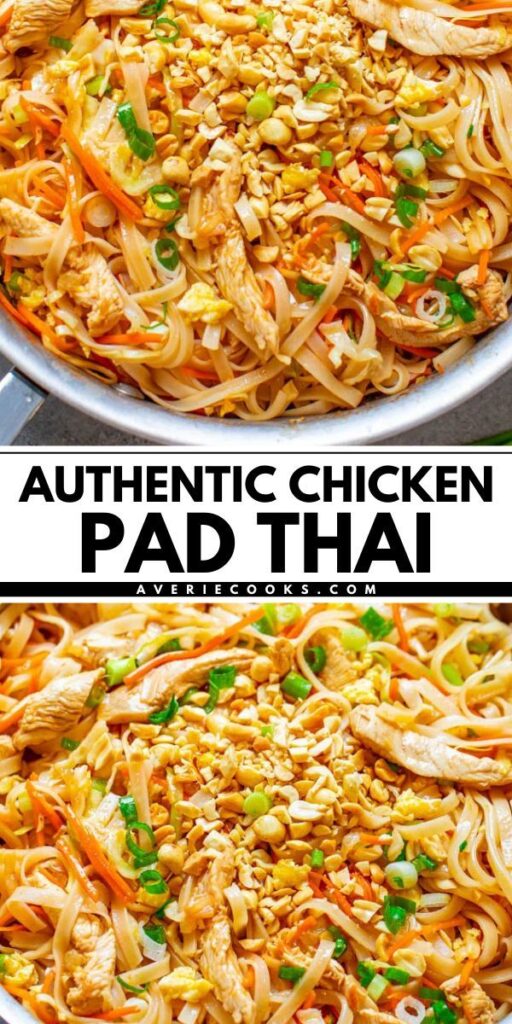
Ever crave that tangy, savory, slightly sweet pad thai from your favorite Thai restaurant but think it's too complicated to make at home? I used to feel the same way – until I cracked the code. This Real Pad Thai Recipe brings those bold, authentic flavors to your kitchen without the fuss.
Advertisements1
The secret lies in the sauce: a perfect balance of tamarind, fish sauce, and palm sugar, plus the right technique for stir-frying noodles until they're chewy and lightly charred. No need to hunt down 20 exotic ingredients – most are at your local grocery store, and I'll show you smart swaps.
Whether you're cooking for a busy weeknight or impressing friends, this recipe is forgiving, quick, and absolutely delicious. Let's get your wok (or skillet) ready!
Why You'll Love This Recipe
About the Ingredients
8 oz (225g) flat rice noodles (pad thai style)
Use wide, flat noodles labeled 'pad thai' or 'sen lek'. If you can't find them, substitute with fettuccine – just cook a minute less.
2 tbsp (30ml) tamarind paste
Look for tamarind paste in a jar or block. If unavailable, mix 2 tbsp lime juice + 1 tbsp brown sugar as a quick substitute.
3 tbsp (45ml) fish sauce
Fish sauce is key for umami. For a vegetarian version, swap with soy sauce + a pinch of seaweed.
2 tbsp (30g) palm sugar (or brown sugar)
Palm sugar has a caramel note. Brown sugar works in a pinch; use a bit less if your tamarind is very sweet.
1 tbsp (15ml) lime juice, plus wedges for serving
Fresh lime brightens the dish. Bottled lime juice is okay in a pinch but fresh is better.
2 tbsp (30ml) vegetable oil, divided
Use a neutral oil like canola or peanut. Peanut oil adds authenticity.
2 cloves garlic, minced
Fresh garlic is essential – don't use the jarred stuff.
2 large eggs, lightly beaten
Eggs add richness. For vegan, skip or use tofu scramble.
1 cup (150g) cooked shrimp, chicken, or extra-firm tofu
Choose your protein. Shrimp is classic, but chicken or tofu are great. If using tofu, press and cube it.
2 cups (120g) bean sprouts
Fresh sprouts add crunch. If you can't find them, use shredded cabbage.
1/2 cup (60g) roasted peanuts, chopped
Use unsalted roasted peanuts for control over salt. If only salted, rinse and dry them.
3 green onions, sliced
Scallions add freshness. Chives work too.
1 lime, cut into wedges
For serving – a must!
Tips & Tricks
- Prep everything before you start cooking – pad thai comes together fast.
- Soak noodles in warm water for 20-30 minutes until pliable but not fully soft – they'll finish cooking in the wok.
- Use high heat and work quickly – don't overcrowd the pan.
Pro Tips
Step-by-Step Instructions
1. Soak the Noodles
Place rice noodles in a large bowl and cover with warm water (about 110°F / 43°C). Let soak for 20-30 minutes until pliable but still firm. Drain and set aside.
2. Make the Sauce
In a small bowl, whisk tamarind paste, fish sauce, palm sugar, and lime juice until sugar dissolves. Taste – it should be sour, salty, and sweet. Adjust if needed.
3. Preheat Wok
Heat a wok or large skillet over high heat until a drop of water sizzles immediately (about 400°F / 200°C). Add 1 tbsp oil and swirl to coat.
4. Scramble the Eggs
Add garlic and stir-fry for 15 seconds until fragrant. Push to one side, pour eggs into the empty space, and scramble until just set (about 30 seconds).
5. Add Protein and Noodles
Add your protein (shrimp, chicken, or tofu) and stir-fry for 1-2 minutes until heated through. Add soaked noodles and toss to combine.
6. Pour in the Sauce
Pour the sauce over the noodles and toss continuously for 2-3 minutes until the noodles are evenly coated and have absorbed most of the liquid. They should look glossy, not soupy.
7. Add Crunch and Freshness
Turn off the heat. Add bean sprouts, peanuts, and green onions. Toss once to mix – the residual heat will lightly wilt the sprouts.
8. Serve with Lime
Plate immediately and serve with lime wedges on the side. Squeeze fresh lime over the top before eating for that final zing.
Delicious Variations
Vegetarian
Use soy sauce instead of fish sauce and add extra tofu or mushrooms.
Spicy
Add 1-2 tsp Thai chili flakes (or sriracha) to the sauce.
Protein Swap
Try sliced chicken breast – cook it first and set aside, then add back at the end.
How to Store Real Pad Thai Recipe
Refrigerator
Store leftovers in an airtight container for up to 2 days.
Freezer
Not recommended – noodles become mushy when thawed.
Reheating
Reheat in a hot wok or skillet with a splash of water to refresh the sauce.
Frequently Asked Questions
Q: What is the best type of noodle for pad thai?
Flat rice noodles (sen lek) are traditional. They're about 1/4-inch wide and have a chewy texture. You can find them in Asian grocery stores or online.
Q: Can I make pad thai without tamarind?
Yes, substitute 2 tbsp lime juice mixed with 1 tbsp brown sugar per tablespoon of tamarind. It won't be exactly the same but will still be delicious.
Q: Why is my pad thai dry?
Dry pad thai usually means the noodles were overcooked or the sauce was too thick. Make sure to soak noodles only until pliable, and add a little water to the sauce if needed.
Q: Is pad thai gluten-free?
Typically yes – rice noodles and fish sauce are gluten-free, but check your fish sauce and other condiments for hidden gluten. Use tamari instead of soy sauce if needed.
I hope you enjoy this Real Pad Thai Recipe as much as my family does! If you try it, let me know in the comments below – I'd love to hear how it turned out. And don't forget to share your own twist!
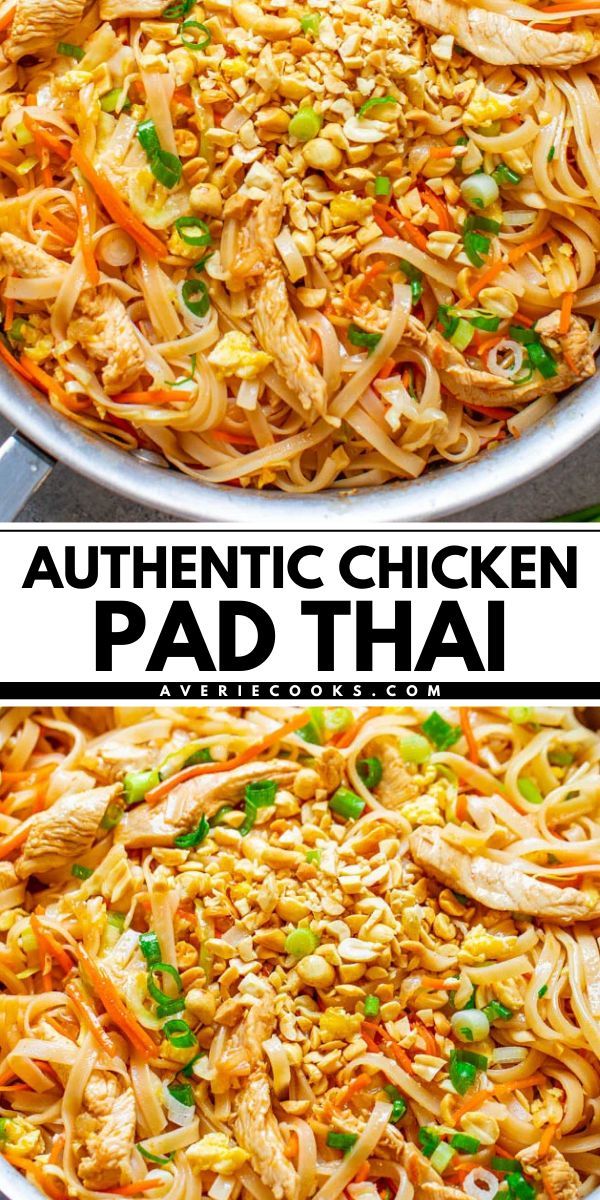
Real Pad Thai Recipe
Real Pad Thai Recipe with authentic flavors, ready in 30 minutes for a delicious weeknight dinner.
🧂 Ingredients
- 8 oz (225g) flat rice noodles (pad thai style)
- 2 tbsp (30ml) tamarind paste
- 3 tbsp (45ml) fish sauce
- 2 tbsp (30g) palm sugar (or brown sugar)
- 1 tbsp (15ml) lime juice, plus wedges for serving
- 2 tbsp (30ml) vegetable oil, divided
- 2 cloves garlic, minced
- 2 large eggs, lightly beaten
- 1 cup (150g) cooked shrimp, chicken, or extra-firm tofu
- 2 cups (120g) bean sprouts
- 1/2 cup (60g) roasted peanuts, chopped
- 3 green onions, sliced
- 1 lime, cut into wedges
📋 Instructions
- 1Soak the Noodles — Place rice noodles in a large bowl and cover with warm water (about 110°F / 43°C). Let soak for 20-30 minutes until pliable but still firm. Drain and set aside.
- 2Make the Sauce — In a small bowl, whisk tamarind paste, fish sauce, palm sugar, and lime juice until sugar dissolves. Taste – it should be sour, salty, and sweet. Adjust if needed.
- 3Preheat Wok — Heat a wok or large skillet over high heat until a drop of water sizzles immediately (about 400°F / 200°C). Add 1 tbsp oil and swirl to coat.
- 4Scramble the Eggs — Add garlic and stir-fry for 15 seconds until fragrant. Push to one side, pour eggs into the empty space, and scramble until just set (about 30 seconds).
- 5Add Protein and Noodles — Add your protein (shrimp, chicken, or tofu) and stir-fry for 1-2 minutes until heated through. Add soaked noodles and toss to combine.
- 6Pour in the Sauce — Pour the sauce over the noodles and toss continuously for 2-3 minutes until the noodles are evenly coated and have absorbed most of the liquid. They should look glossy, not soupy.
- 7Add Crunch and Freshness — Turn off the heat. Add bean sprouts, peanuts, and green onions. Toss once to mix – the residual heat will lightly wilt the sprouts.
- 8Serve with Lime — Plate immediately and serve with lime wedges on the side. Squeeze fresh lime over the top before eating for that final zing.

Elena writes about sustainable living and practical zero-waste swaps for everyday families. She focuses on small, budget-friendly changes that make a big difference over time.