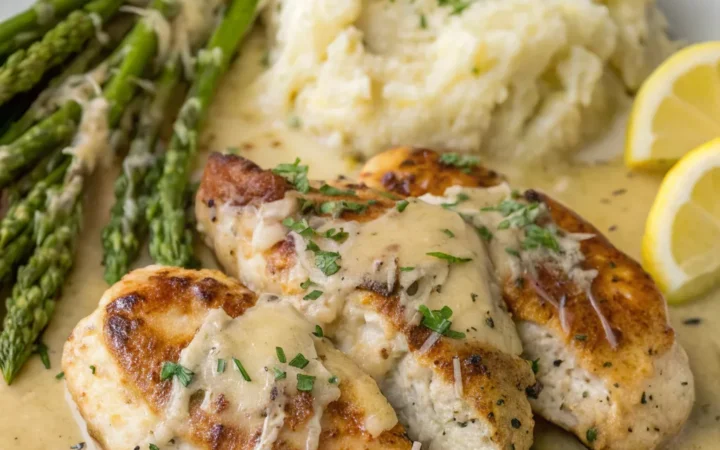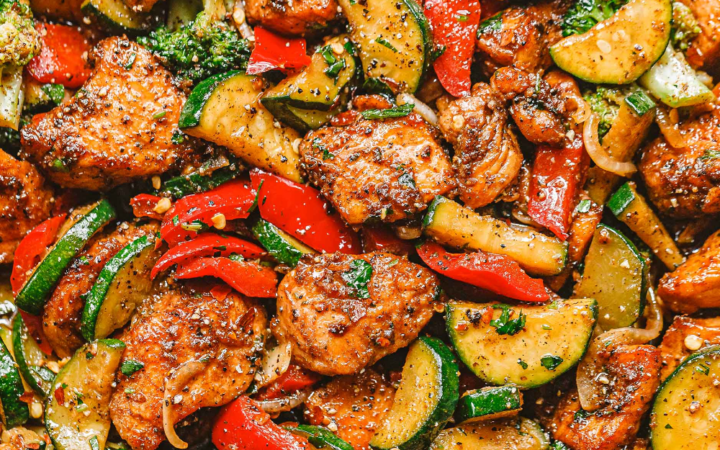
I first made this mango sauce on a Tuesday that had gone sideways, the kind of day where nothing felt finished. I stood at the counter with a ripe mango, a lime, and a small pot, and I let the smell of ginger and citrus pull me back into my body. Ten minutes later, the sauce was glossy and warm, and dinner felt like something I had chosen rather than survived.
Advertisements1
A good sauce is like a river bending around a stone: it doesn't fight the protein, it moves with it. This one is sweet from the mango, gently warm from ginger and garlic, and lifted by lime and a whisper of chili. It coats chicken, fish, and seafood without drowning them, and it works whether you grill, sear, or bake.
Take one slow breath before you start. Notice the weight of the mango in your hand, the cool of the lime. You do not have to get this perfect. You only have to pay attention, and the sauce will meet you there.
Why You'll Love This Recipe
About the Ingredients
2 large ripe mangoes (about 1.5 lb / 680 g total), peeled and cubed
Use Ataulfo or Champagne mangoes for the silkiest texture; frozen mango chunks (about 3 cups) work just as well and save time. If your mango is stringy, blend an extra 15 seconds.
1/3 cup (80 ml) fresh lime juice (from about 3 limes)
Fresh juice is brighter than bottled; if you only have bottled, use 1/4 cup and taste before adding more. Lemon juice is a fine substitute in a pinch.
2 tbsp (30 ml) honey or maple syrup
Honey adds floral sweetness; maple syrup keeps it vegan. Taste your mango first, because a very ripe mango may need only 1 tablespoon.
1 tbsp (15 g) freshly grated ginger
Grate it on a Microplane so it melts into the sauce. Ground ginger works but use only 1 teaspoon, since it is much stronger.
2 garlic cloves, minced
Fresh garlic gives the sauce its savory backbone. Jarred minced garlic is acceptable; use 1 teaspoon and add it with the ginger.
1/2 tsp kosher salt, plus more to taste
Kosher salt seasons gently; if using fine table salt, start with 1/4 teaspoon. A pinch of flaky salt at the end makes the mango pop.
1/4 tsp red chili flakes, or 1 small red chili, minced
Adjust to your heat preference; Aleppo pepper or a dash of sriracha are good swaps. Remove seeds for a milder sauce.
1/2 cup (120 ml) full-fat coconut milk or heavy cream
Coconut milk adds tropical richness; heavy cream makes it more classic and velvety. For a lighter sauce, use 1/4 cup and add 1/4 cup water.
1 tbsp (15 ml) olive oil or neutral oil
Olive oil adds fruitiness; avocado or grapeseed oil keeps the flavor neutral. Use what you have, but avoid toasted sesame oil here.
1 tbsp (15 ml) soy sauce or tamari
Soy sauce deepens the savory note; tamari makes it gluten-free. Coconut aminos work if you need a soy-free option.
1/4 cup (10 g) fresh cilantro or mint, chopped, for finishing
Cilantro is bright and herbal; mint is cooling and pairs especially well with fish. Skip it if you are cilantro-averse and use sliced scallions.
Tips & Tricks
Do Not Overcook the Sauce
Once it bubbles, lower the heat and stir constantly; mango sugars scorch quickly, so pull it off the heat the moment it coats a spoon.
Balance, Then Balance Again
Taste after blending and adjust with a squeeze of lime for acid, a pinch of salt for depth, or a drizzle of honey for sweetness.
Use Ripe but Firm Mangoes
A mango that is soft but not mushy gives the best body; overripe fruit can taste fermented and watery.
Strain If You Want Silk
For a restaurant-smooth sauce, press it through a fine-mesh sieve after blending, especially if your mango was fibrous.
Pro Tips
Step-by-Step Instructions
1. Blend the Mango Base
Add the mango cubes, lime juice, honey, ginger, garlic, salt, and chili flakes to a blender. Blend on high for 30 to 45 seconds until completely smooth; if it stalls, add 1 tablespoon of water at a time. You want the texture of a thick smoothie, with no visible fruit fibers.
2. Warm the Aromatics
Heat the olive oil in a medium saucepan over medium heat (350 F / 175 C) for 1 minute, then add the blended mango mixture. It should sizzle gently at the edges, not sputter violently; if it sputters, lower the heat to medium-low. Cook for 3 minutes, stirring often, until the raw garlic smell disappears.
3. Add the Creamy Element
Pour in the coconut milk or heavy cream and the soy sauce, then stir to combine. Bring to a gentle simmer, about 200 F to 205 F (93 C to 96 C), and cook for 5 to 7 minutes, stirring frequently, until the sauce thickens enough to coat the back of a spoon. A clear trail should hold briefly when you drag a spatula across the pan.
4. Taste and Balance
Remove the pan from the heat and taste carefully. Add more lime juice for brightness, salt for depth, or honey for sweetness, one small addition at a time. The sauce should taste slightly too bright on its own, because it will mellow once it meets the protein.
5. Serve or Store
Fold in the chopped cilantro or mint, then serve warm over cooked chicken, fish, or seafood. For a cold sauce, chill it for at least 30 minutes and thin with 1 tablespoon of water or lime juice before using, since it thickens as it cools.
6. Cook the Protein (Optional)
If using chicken breasts, sear them in a skillet over medium-high heat (400 F / 204 C) for 5 to 6 minutes per side until the internal temperature reaches 165 F (74 C). For salmon or white fish, cook 4 to 5 minutes per side until it flakes easily and reaches 145 F (63 C). For shrimp, cook 2 to 3 minutes per side until pink and opaque.
7. Glaze and Finish
During the last 2 minutes of cooking, spoon 2 to 3 tablespoons of the mango sauce over the protein and let it bubble and caramelize slightly. Serve the remaining sauce on the side, and finish with a pinch of flaky salt and extra herbs.
Delicious Variations
Spicy Mango Habanero Sauce
Add half a seeded habanero with the ginger and garlic for a fiery version that is excellent on grilled shrimp.
Creamy Coconut Mango Sauce
Use full-fat coconut milk and add 1 tablespoon of coconut cream at the end for a richer, dairy-free sauce that is lovely with salmon.
Herby Green Mango Sauce
Swap half the mango for green mango or add a handful of basil and mint for a tangier, herb-forward sauce that shines on white fish.
How to Store Mango Sauce Recipe For Chicken, Fish, Seafood
Refrigerator
Store in an airtight container in the refrigerator for up to 4 days. The sauce will thicken when cold; stir in 1 to 2 teaspoons of water or lime juice before serving.
Freezer
Freeze in a freezer-safe container or ice cube tray for up to 3 months. Thaw overnight in the refrigerator, then warm gently over low heat, stirring often.
Reheating
Reheat in a small saucepan over low heat (about 200 F / 93 C) for 3 to 4 minutes, stirring frequently. Avoid boiling, which can dull the flavor and cause splattering.
Frequently Asked Questions
Q: What does mango sauce taste like?
Mango sauce tastes sweet, tangy, and slightly savory, with a gentle warmth from ginger and chili. The lime and soy sauce keep it from being one-dimensional, so it works as both a glaze and a dipping sauce.
Q: Can I use frozen mango for this mango sauce recipe?
Yes, frozen mango works perfectly and is often picked at peak ripeness. Use about 3 cups of frozen mango chunks and blend them straight from frozen; you may need 1 to 2 extra tablespoons of lime juice to get the blender moving.
Q: How do I make mango sauce thicker?
Simmer the sauce uncovered for 3 to 5 extra minutes, stirring often, until it coats a spoon. You can also blend in 1 tablespoon of soaked cashews or a teaspoon of cornstarch slurry for a faster fix.
Q: Is mango sauce good on fish and seafood?
Yes, mango sauce is especially good on salmon, halibut, cod, shrimp, and scallops because its acidity and sweetness cut through their richness. Brush it on during the last 2 minutes of cooking so the sugars caramelize without burning.
Q: How long does homemade mango sauce last in the fridge?
Homemade mango sauce lasts up to 4 days in an airtight container in the refrigerator. Because it contains fresh fruit and no preservatives, discard it if you see any off smell, bubbles, or mold.
Make this mango sauce once and you will start seeing it as a small ritual, a way to turn an ordinary protein into something that feels cared for. Try it on chicken tonight, on fish tomorrow, and notice how a simple sauce can change the whole mood of a meal. Breathe, reflect, grow.
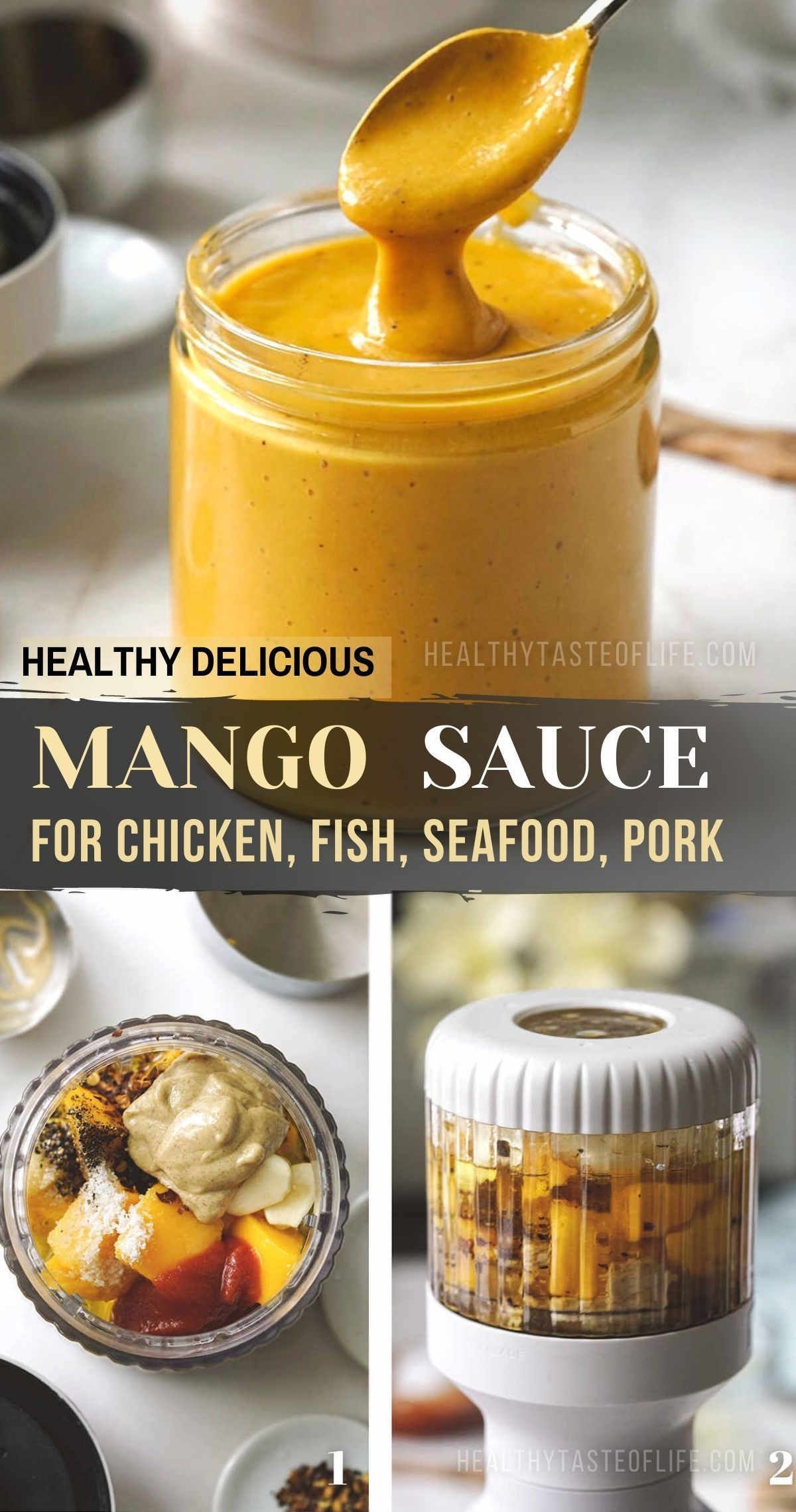
Mango Sauce Recipe For Chicken, Fish, Seafood
Mango Sauce Recipe For Chicken, Fish, Seafood: a creamy, sweet-tangy sauce that turns simple protein into a bright tropical dinner in minutes.
🧂 Ingredients
- 2 large ripe mangoes (about 1.5 lb / 680 g total), peeled and cubed
- 1/3 cup (80 ml) fresh lime juice (from about 3 limes)
- 2 tbsp (30 ml) honey or maple syrup
- 1 tbsp (15 g) freshly grated ginger
- 2 garlic cloves, minced
- 1/2 tsp kosher salt, plus more to taste
- 1/4 tsp red chili flakes, or 1 small red chili, minced
- 1/2 cup (120 ml) full-fat coconut milk or heavy cream
- 1 tbsp (15 ml) olive oil or neutral oil
- 1 tbsp (15 ml) soy sauce or tamari
- 1/4 cup (10 g) fresh cilantro or mint, chopped, for finishing
📋 Instructions
- 1Blend the Mango Base — Add the mango cubes, lime juice, honey, ginger, garlic, salt, and chili flakes to a blender. Blend on high for 30 to 45 seconds until completely smooth; if it stalls, add 1 tablespoon of water at a time. You want the texture of a thick smoothie, with no visible fruit fibers.
- 2Warm the Aromatics — Heat the olive oil in a medium saucepan over medium heat (350 F / 175 C) for 1 minute, then add the blended mango mixture. It should sizzle gently at the edges, not sputter violently; if it sputters, lower the heat to medium-low. Cook for 3 minutes, stirring often, until the raw garlic smell disappears.
- 3Add the Creamy Element — Pour in the coconut milk or heavy cream and the soy sauce, then stir to combine. Bring to a gentle simmer, about 200 F to 205 F (93 C to 96 C), and cook for 5 to 7 minutes, stirring frequently, until the sauce thickens enough to coat the back of a spoon. A clear trail should hold briefly when you drag a spatula across the pan.
- 4Taste and Balance — Remove the pan from the heat and taste carefully. Add more lime juice for brightness, salt for depth, or honey for sweetness, one small addition at a time. The sauce should taste slightly too bright on its own, because it will mellow once it meets the protein.
- 5Serve or Store — Fold in the chopped cilantro or mint, then serve warm over cooked chicken, fish, or seafood. For a cold sauce, chill it for at least 30 minutes and thin with 1 tablespoon of water or lime juice before using, since it thickens as it cools.
- 6Cook the Protein (Optional) — If using chicken breasts, sear them in a skillet over medium-high heat (400 F / 204 C) for 5 to 6 minutes per side until the internal temperature reaches 165 F (74 C). For salmon or white fish, cook 4 to 5 minutes per side until it flakes easily and reaches 145 F (63 C). For shrimp, cook 2 to 3 minutes per side until pink and opaque.
- 7Glaze and Finish — During the last 2 minutes of cooking, spoon 2 to 3 tablespoons of the mango sauce over the protein and let it bubble and caramelize slightly. Serve the remaining sauce on the side, and finish with a pinch of flaky salt and extra herbs.

Sofia writes about mindfulness and mental well-being, drawing from her own journey with stress and burnout. She shares gentle, evidence-informed practices for busy lives.