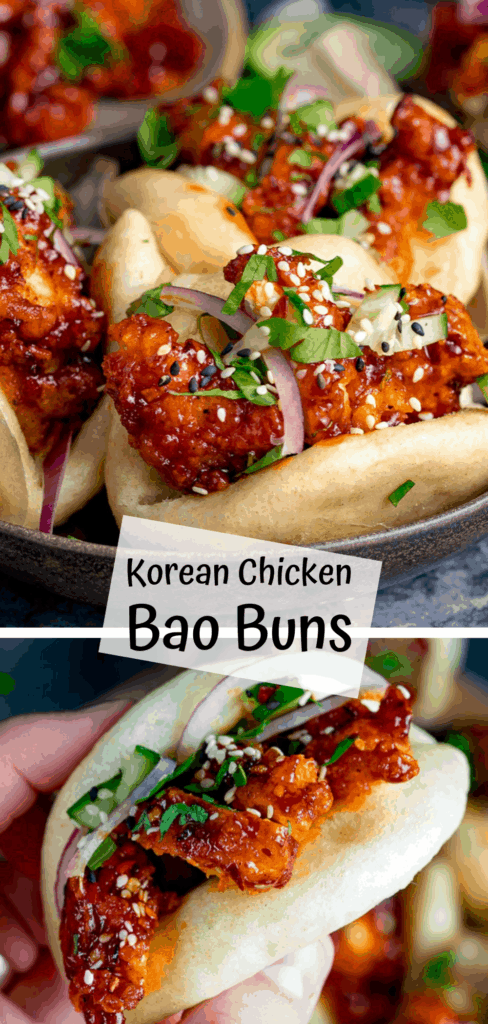
I first ate Korean chicken bao on a rainy Tuesday in Seoul, standing under a shop awning while steam curled off the bun in my hand. The pillowy dough gave way to crackly, sweet-spicy chicken, and for a moment the whole street felt quieter. That is the kind of small pause I chase in my own kitchen, and this recipe is my attempt to bring it home to you. You do not need a bamboo steamer or a culinary degree, only a little patience and the willingness to let dough rest while you breathe.
Advertisements1
Think of bao dough like a slow morning: if you rush it, it tightens; if you give it warmth and time, it opens. While the dough rises, I like to stand at the window and take five slow breaths, feeling my shoulders drop on each exhale. Research from the Journal of Culinary Science suggests that even brief mindful pauses before cooking can lower perceived stress and improve focus, which is exactly what folding bao asks of us.
The chicken is the crisp, saucy counterpoint: gochujang, honey, and soy caramelize in a hot pan until the edges turn lacquered and sticky. If your first bun looks lumpy or your pleats lean sideways, that is completely fine. Bao is forgiving, and so should you be with yourself. Breathe, reflect, grow.
Why You'll Love This Recipe
About the Ingredients
2 1/4 cups (280g) all-purpose flour, plus extra for dusting
All-purpose flour gives a tender, slightly chewy bao; bread flour makes it springier but less soft. If you are gluten-free, use a 1-to-1 gluten-free blend plus 1 teaspoon psyllium husk.
1 packet (2 1/4 teaspoons / 7g) active dry yeast
Active dry yeast needs warm liquid to wake up; instant yeast can be mixed straight into the flour. Check the expiration date, because dead yeast means flat, dense buns.
3/4 cup (180ml) warm water, 105-110F (40-43C)
Too hot and it kills the yeast; too cool and the dough crawls. A digital thermometer takes the guesswork out, but a drop on your wrist should feel comfortably warm, not hot.
2 tablespoons (25g) granulated sugar
Sugar feeds the yeast and balances the salty glaze. Honey or maple syrup works in a pinch, though it makes the dough slightly stickier.
1 teaspoon (6g) fine salt
Fine salt dissolves evenly; kosher salt can be used but increase to 1 1/4 teaspoons. Do not skip it, as salt strengthens the dough's structure.
1 tablespoon (15ml) neutral oil, plus more for the bowl
Canola, vegetable, or grapeseed oil keeps the dough supple. Olive oil works but adds a faint flavor that competes with the gochujang.
1 1/2 pounds (680g) boneless, skinless chicken thighs, cut into 1-inch pieces
Thighs stay juicy and crisp better than breast. If using breast, reduce the pan time by 1-2 minutes to avoid dryness.
1/3 cup (80g) cornstarch
Cornstarch is the secret to a light, crackly crust. Potato starch or arrowroot also work, but cornstarch browns most evenly.
3 tablespoons (45g) gochujang paste
Gochujang is fermented Korean chili paste with sweet, savory heat. For less spice, use 2 tablespoons gochujang plus 1 tablespoon miso or tomato paste.
2 tablespoons (30ml) soy sauce
Low-sodium soy sauce keeps the glaze from turning too salty. Tamari is a great gluten-free swap with a deeper flavor.
2 tablespoons (30g) honey
Honey helps the glaze cling and caramelize. Brown sugar or agave syrup can substitute, though the glaze will be slightly thinner.
2 cloves garlic, finely grated, plus 1 teaspoon grated fresh ginger
Fresh aromatics make the glaze sing; jarred garlic is fine in a hurry. Add them off the heat so they do not burn and turn bitter.
Tips & Tricks
Do Not Overflour the Dough
Adding too much flour while kneading makes bao dense and tough, so dust your hands and surface lightly and stop when the dough is soft and slightly tacky.
Let the Dough Rest Before Folding
If the dough springs back while you roll it, cover it and wait 5 minutes; gluten needs a moment to relax, just like we do.
Keep Steam Consistent
A steady, gentle steam puffs the buns, while a rolling boil can drip water onto them and leave soggy spots, so use medium heat and a lid that fits well.
Sauce the Chicken at the End
Toss the crispy chicken with the glaze only right before serving, otherwise the crust softens and loses its crackle.
Pro Tips
Step-by-Step Instructions
1. Bloom the Yeast
Stir the warm water, sugar, and yeast in a bowl and let it sit 5-7 minutes until foamy and smelling lightly of bread; if nothing happens, the yeast is dead and you should start again.
2. Mix the Dough
Add the flour, salt, and oil to the yeast mixture and stir until a shaggy dough forms, then knead 6-8 minutes until smooth, soft, and slightly tacky, like a gentle earlobe.
3. Let It Rise
Cover the bowl and let the dough rise in a warm spot for 45-60 minutes until doubled; a 90F (32C) oven with the door cracked works beautifully on cold days.
4. Coat the Chicken
Toss the chicken pieces with cornstarch and a pinch of salt until fully coated, then rest them 10 minutes while you heat 1/2 inch of oil in a skillet to 350F (175C).
5. Fry Until Crispy
Fry the chicken in batches for 3-4 minutes per side until deep golden brown and the internal temperature reaches 165F (74C), then drain on a rack, not paper, to keep the crust crunchy.
6. Build the Glaze
In a small pan over medium heat, warm the gochujang, soy sauce, honey, garlic, and ginger for 1-2 minutes until bubbling at the edges, then remove from heat and toss with the chicken.
7. Shape the Buns
Punch down the dough, divide into 12 pieces, roll each into an oval about 4 inches long, fold in half, and place on a parchment square.
8. Steam the Bao
Steam the buns in a lined steamer over medium heat for 10-12 minutes until puffed, matte, and springy to the touch, then rest 2 minutes before opening the lid slowly to avoid deflating them.
9. Fill and Serve
Open each warm bun, spoon in the crispy glazed chicken, and finish with sliced scallions and sesame seeds; serve immediately while the contrast of soft and crisp is at its peak.
Delicious Variations
Spicy Mayo Drizzle
Mix 3 tablespoons mayonnaise with 1 teaspoon gochujang and drizzle over the filled bao for a creamy, cooling contrast.
Pickled Cucumber Crunch
Toss thin cucumber slices with 1 tablespoon rice vinegar, 1 teaspoon sugar, and a pinch of salt, then tuck them inside for a bright, tangy bite.
Vegetarian Mushroom Bao
Swap the chicken for 1 pound king oyster mushrooms torn into strips, coat in cornstarch, and fry the same way for a meaty plant-based version.
How to Store Korean Chicken Bao – Soft and Fluffy Steamed Mini Bao Buns Filled with Crispy Chicken
Refrigerator
Store cooled bao buns and chicken separately in airtight containers for up to 3 days; keep the chicken uncovered for the first 20 minutes to preserve crispness.
Freezer
Freeze steamed buns in a single layer, then transfer to a bag for up to 2 months; freeze the cooked chicken separately for up to 1 month.
Reheating
Reheat buns in a steamer for 4-5 minutes until soft and hot, and reheat the chicken in a 375F (190C) oven for 6-8 minutes until crisp again.
Frequently Asked Questions
Q: Can I make Korean chicken bao without a steamer?
Yes, you can steam bao in a pot with a metal colander or a bamboo steamer set over simmering water. Line it with parchment, keep the water below the rack, and cover tightly so the steam stays trapped.
Q: Why are my bao buns flat and dense?
Flat buns usually mean the yeast was old, the water was too hot, or the dough did not rise long enough. Use a thermometer to keep the water at 105-110F (40-43C) and wait until the dough has clearly doubled before shaping.
Q: Can I use chicken breast instead of thighs?
Yes, chicken breast works, but it dries out faster, so fry it for 2-3 minutes per side and pull it at 165F (74C). Thighs remain the juicier, more forgiving choice for this dish.
Q: How spicy is the gochujang glaze?
It is moderately spicy, similar to a medium-hot buffalo sauce, depending on the brand. For a milder glaze, use 2 tablespoons gochujang and 1 tablespoon miso or tomato paste, and add honey to taste.
Q: Can I prepare the bao dough ahead of time?
Yes, you can let the dough rise overnight in the refrigerator for a deeper flavor. Bring it to room temperature for 30 minutes, then shape and steam as directed, adding 1-2 minutes to the steaming time if needed.
I hope these Korean chicken bao bring a little Seoul street-corner warmth to your table, whether you are cooking for a crowd or just yourself on a quiet evening. Make them once, then make them your own, and notice how the soft dough and crisp chicken ask you to slow down and savor. Breathe, reflect, grow.
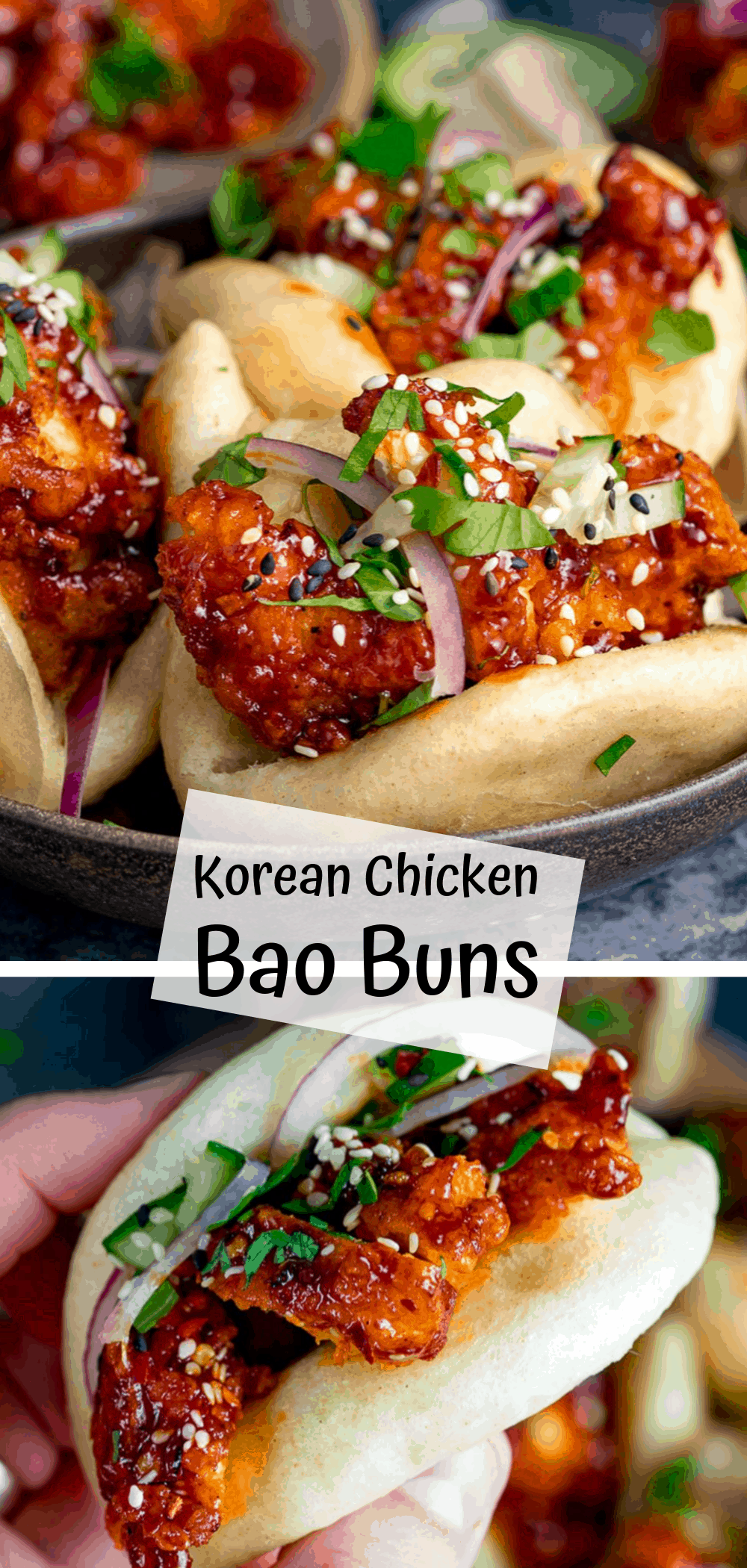
Korean Chicken Bao – Soft and Fluffy Steamed Mini Bao Buns Filled with Crispy Chicken
Korean Chicken Bao brings soft, fluffy steamed buns together with crispy gochujang chicken for a 50-minute dinner that feels like a Seoul street-food hug.
🧂 Ingredients
- 2 1/4 cups (280g) all-purpose flour, plus extra for dusting
- 1 packet (2 1/4 teaspoons / 7g) active dry yeast
- 3/4 cup (180ml) warm water, 105-110F (40-43C)
- 2 tablespoons (25g) granulated sugar
- 1 teaspoon (6g) fine salt
- 1 tablespoon (15ml) neutral oil, plus more for the bowl
- 1 1/2 pounds (680g) boneless, skinless chicken thighs, cut into 1-inch pieces
- 1/3 cup (80g) cornstarch
- 3 tablespoons (45g) gochujang paste
- 2 tablespoons (30ml) soy sauce
- 2 tablespoons (30g) honey
- 2 cloves garlic, finely grated, plus 1 teaspoon grated fresh ginger
📋 Instructions
- 1Bloom the Yeast — Stir the warm water, sugar, and yeast in a bowl and let it sit 5-7 minutes until foamy and smelling lightly of bread; if nothing happens, the yeast is dead and you should start again.
- 2Mix the Dough — Add the flour, salt, and oil to the yeast mixture and stir until a shaggy dough forms, then knead 6-8 minutes until smooth, soft, and slightly tacky, like a gentle earlobe.
- 3Let It Rise — Cover the bowl and let the dough rise in a warm spot for 45-60 minutes until doubled; a 90F (32C) oven with the door cracked works beautifully on cold days.
- 4Coat the Chicken — Toss the chicken pieces with cornstarch and a pinch of salt until fully coated, then rest them 10 minutes while you heat 1/2 inch of oil in a skillet to 350F (175C).
- 5Fry Until Crispy — Fry the chicken in batches for 3-4 minutes per side until deep golden brown and the internal temperature reaches 165F (74C), then drain on a rack, not paper, to keep the crust crunchy.
- 6Build the Glaze — In a small pan over medium heat, warm the gochujang, soy sauce, honey, garlic, and ginger for 1-2 minutes until bubbling at the edges, then remove from heat and toss with the chicken.
- 7Shape the Buns — Punch down the dough, divide into 12 pieces, roll each into an oval about 4 inches long, fold in half, and place on a parchment square.
- 8Steam the Bao — Steam the buns in a lined steamer over medium heat for 10-12 minutes until puffed, matte, and springy to the touch, then rest 2 minutes before opening the lid slowly to avoid deflating them.
- 9Fill and Serve — Open each warm bun, spoon in the crispy glazed chicken, and finish with sliced scallions and sesame seeds; serve immediately while the contrast of soft and crisp is at its peak.

Sofia writes about mindfulness and mental well-being, drawing from her own journey with stress and burnout. She shares gentle, evidence-informed practices for busy lives.