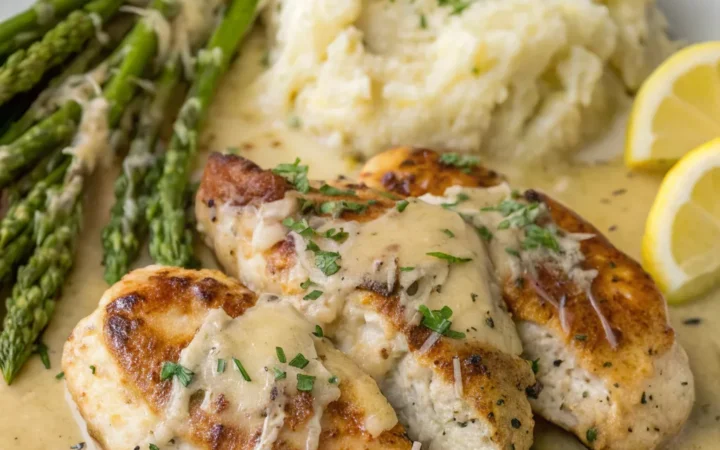
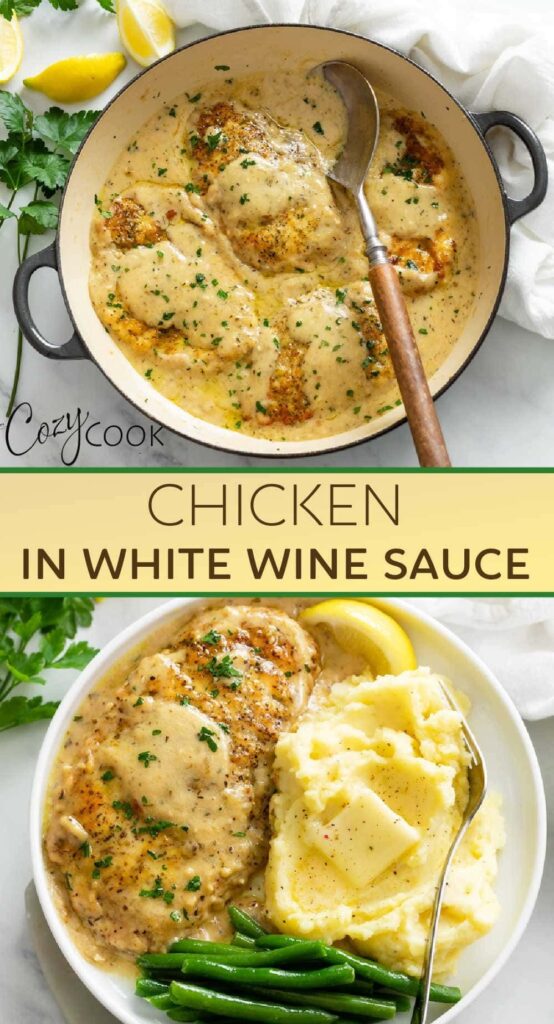
There's something almost meditative about standing at the stove, watching butter melt and wine bubble down into a silky glaze. It reminds me of a gentle rain on a quiet afternoon—unhurried, yet transformative. This white wine sauce is my go-to when I want to turn a simple weeknight dinner into something that feels like a small celebration.
Advertisements1
I've spent years perfecting this sauce, testing ratios and temperatures, so you don't have to. The result is a balanced, creamy sauce with a bright acidity that complements chicken, fish, or pasta beautifully. It's forgiving too—even if you're new to making pan sauces, you'll find this recipe approachable and rewarding.
So take a deep breath, gather your ingredients, and let's create something delicious together. This is cooking as a form of self-care, not perfection.
Why You'll Love This Recipe
About the Ingredients
2 tablespoons (28g) unsalted butter
Use unsalted to control saltiness; salted butter works, just reduce added salt. For a richer flavor, try European-style butter.
1 shallot, finely minced (about 2 tablespoons)
Shallots offer a milder, sweeter onion flavor. Substitute with 1/4 cup finely chopped yellow onion if needed.
1 cup (240ml) dry white wine, such as Sauvignon Blanc or Pinot Grigio
Choose a wine you'd enjoy drinking—the flavor concentrates. For a non-alcoholic version, use chicken broth with a splash of white wine vinegar.
1 cup (240ml) low-sodium chicken broth
Low-sodium lets you control the salt. Vegetable broth works for a vegetarian option.
1/2 cup (120ml) heavy cream
Heavy cream gives the sauce body. For a lighter version, use half-and-half, but it won't be as thick.
1 tablespoon fresh lemon juice
Brightens the sauce and balances richness. Use bottled lemon juice in a pinch.
1 teaspoon Dijon mustard
Adds depth and helps emulsify the sauce. Yellow mustard can be substituted, but Dijon is preferred.
1/2 teaspoon salt, plus more to taste
Adjust based on your broth's saltiness. Sea salt or kosher salt both work.
1/4 teaspoon black pepper, freshly ground
Freshly ground pepper adds aroma. Pre-ground is fine, but use a little less.
1 tablespoon chopped fresh parsley, for garnish
Adds color and freshness. Dried parsley can be used, but add it during cooking.
Tips & Tricks
Don't rush the reduction
let the wine simmer until it's almost syrupy, about 5-7 minutes. This concentrates flavor and removes the raw alcohol taste.
- Use a good-quality dry wine—if you wouldn't drink it, don't cook with it. The wine's flavor is the backbone of the sauce.
- If the sauce curdles or separates, whisk in a tablespoon of cold butter off the heat to bring it back together.
Pro Tips
Step-by-Step Instructions
1. Melt the Butter
In a large skillet over medium heat, melt the butter (about 325°F / 163°C). Swirl the pan until the butter is foamy but not browned, about 1 minute.
2. Sauté the Shallot
Add the minced shallot and cook, stirring frequently, until translucent and fragrant, about 2-3 minutes. It should look soft and slightly golden, not browned.
3. Deglaze with Wine
Pour in the white wine, scraping up any browned bits from the bottom of the pan. Bring to a gentle simmer (around 200°F / 93°C) and let it reduce by half, about 5-7 minutes. The wine should be slightly syrupy and smell less alcoholic.
4. Add Broth and Reduce
Stir in the chicken broth and bring back to a simmer. Let it reduce again by half, about 5-6 minutes, until the liquid coats the back of a spoon.
5. Incorporate Cream and Seasonings
Reduce heat to low (around 180°F / 82°C) and stir in the heavy cream, lemon juice, Dijon mustard, salt, and pepper. Whisk gently until the sauce is smooth and slightly thickened, about 2-3 minutes. It should coat the spoon with a thin, velvety layer.
6. Simmer to Thicken
Let the sauce simmer gently on low for another 2 minutes, stirring occasionally, until it reaches your desired consistency. The bubbles should be small and lazy, not vigorous.
7. Taste and Adjust
Remove from heat and taste. Add more salt, pepper, or lemon juice if needed. The sauce should be well-balanced—bright, savory, and creamy.
8. Garnish and Serve
Spoon the sauce over your dish, garnish with fresh parsley, and serve immediately. The sauce will thicken slightly as it cools.
Delicious Variations
Mushroom White Wine Sauce
Sauté 1 cup sliced mushrooms with the shallot until golden before adding wine.
Herb-Infused
Add 1 teaspoon dried thyme or rosemary with the shallot for an earthy note.
Lemon-Caper
Increase lemon juice to 2 tablespoons and add 2 tablespoons drained capers with the cream.
How to Store White Wine Sauce Recipes
Refrigerator
Store in an airtight container for up to 3 days. The sauce may thicken; thin with a splash of broth or water when reheating.
Freezer
Freeze in a freezer-safe container for up to 2 months. Thaw overnight in the fridge and reheat gently on the stovetop, whisking to smooth.
Reheating
Reheat over low heat, stirring frequently, until warmed through. Avoid boiling to prevent separation.
Frequently Asked Questions
Q: What is the best white wine for cooking?
A dry white wine like Sauvignon Blanc, Pinot Grigio, or Chardonnay is best. They have enough acidity to brighten the sauce without overpowering it.
Q: Can I make white wine sauce without cream?
Yes, you can omit the cream for a lighter sauce, but it won't be as rich. Alternatively, use a splash of milk or a cornstarch slurry to thicken.
Q: How do I store leftover white wine sauce?
Store it in an airtight container in the fridge for up to 3 days. Reheat gently on the stove, adding a little broth to thin if needed.
Q: Can I use cooking wine instead of regular wine?
Cooking wine often contains added salt and preservatives, which can affect the flavor. It's better to use a regular dry wine you'd enjoy drinking.
Now that you've mastered this white wine sauce, I'd love to hear how it turned out for you. Share your experience in the comments below, and don't forget to breathe, reflect, and grow—even in the kitchen. Happy cooking!
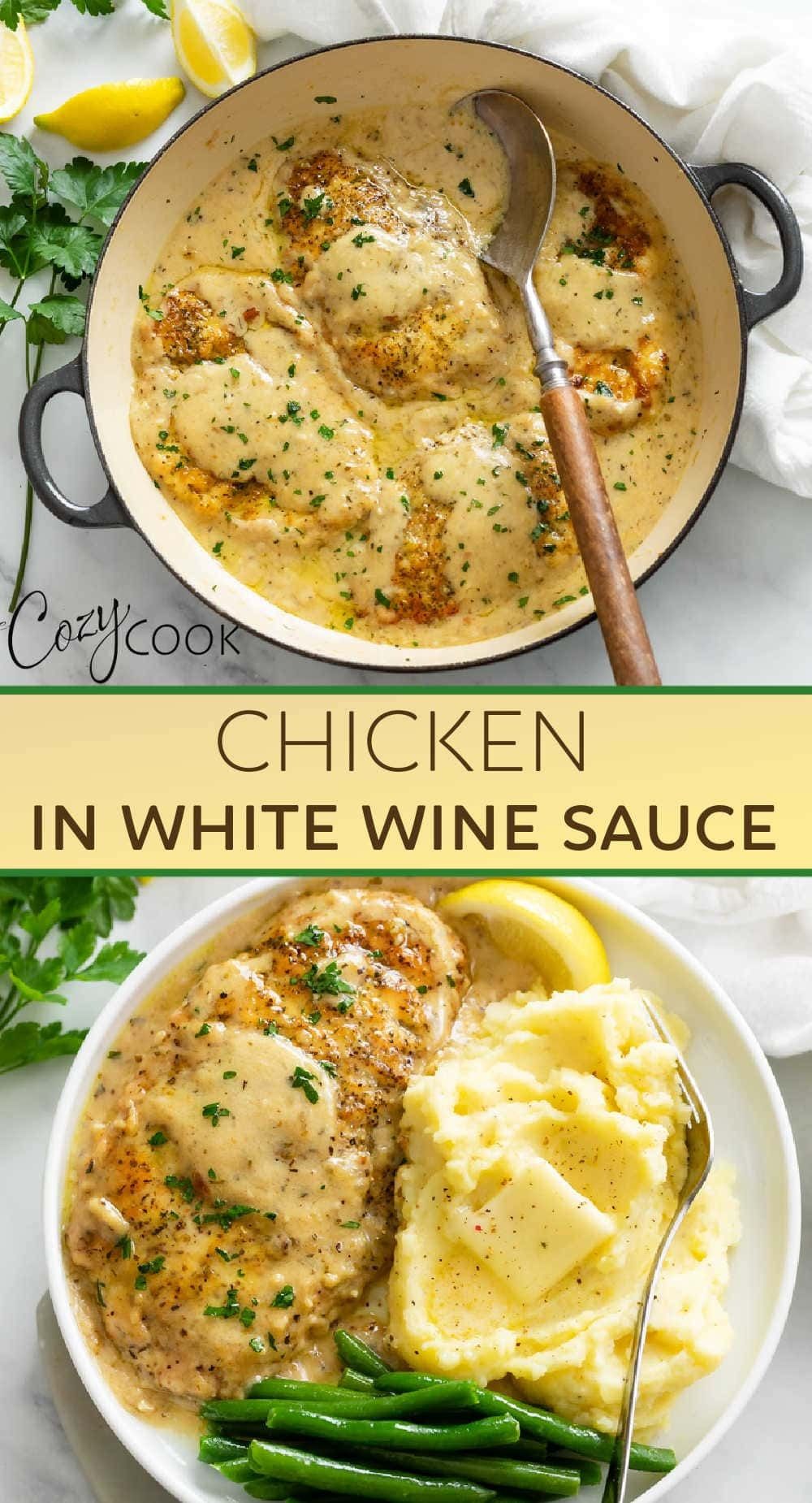
White Wine Sauce Recipes
Learn to make a silky white wine sauce from scratch, perfect for chicken, fish, or pasta—ready in 20 minutes.
🧂 Ingredients
- 2 tablespoons (28g) unsalted butter
- 1 shallot, finely minced (about 2 tablespoons)
- 1 cup (240ml) dry white wine, such as Sauvignon Blanc or Pinot Grigio
- 1 cup (240ml) low-sodium chicken broth
- 1/2 cup (120ml) heavy cream
- 1 tablespoon fresh lemon juice
- 1 teaspoon Dijon mustard
- 1/2 teaspoon salt, plus more to taste
- 1/4 teaspoon black pepper, freshly ground
- 1 tablespoon chopped fresh parsley, for garnish
📋 Instructions
- 1Melt the Butter — In a large skillet over medium heat, melt the butter (about 325°F / 163°C). Swirl the pan until the butter is foamy but not browned, about 1 minute.
- 2Sauté the Shallot — Add the minced shallot and cook, stirring frequently, until translucent and fragrant, about 2-3 minutes. It should look soft and slightly golden, not browned.
- 3Deglaze with Wine — Pour in the white wine, scraping up any browned bits from the bottom of the pan. Bring to a gentle simmer (around 200°F / 93°C) and let it reduce by half, about 5-7 minutes. The wine should be slightly syrupy and smell less alcoholic.
- 4Add Broth and Reduce — Stir in the chicken broth and bring back to a simmer. Let it reduce again by half, about 5-6 minutes, until the liquid coats the back of a spoon.
- 5Incorporate Cream and Seasonings — Reduce heat to low (around 180°F / 82°C) and stir in the heavy cream, lemon juice, Dijon mustard, salt, and pepper. Whisk gently until the sauce is smooth and slightly thickened, about 2-3 minutes. It should coat the spoon with a thin, velvety layer.
- 6Simmer to Thicken — Let the sauce simmer gently on low for another 2 minutes, stirring occasionally, until it reaches your desired consistency. The bubbles should be small and lazy, not vigorous.
- 7Taste and Adjust — Remove from heat and taste. Add more salt, pepper, or lemon juice if needed. The sauce should be well-balanced—bright, savory, and creamy.
- 8Garnish and Serve — Spoon the sauce over your dish, garnish with fresh parsley, and serve immediately. The sauce will thicken slightly as it cools.

Sofia writes about mindfulness and mental well-being, drawing from her own journey with stress and burnout. She shares gentle, evidence-informed practices for busy lives.