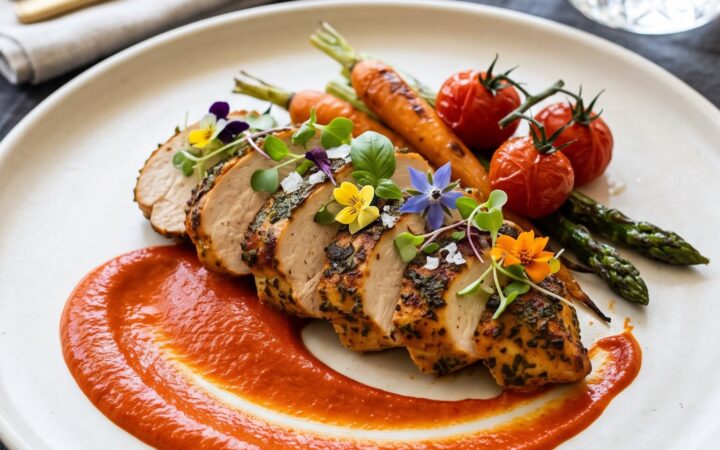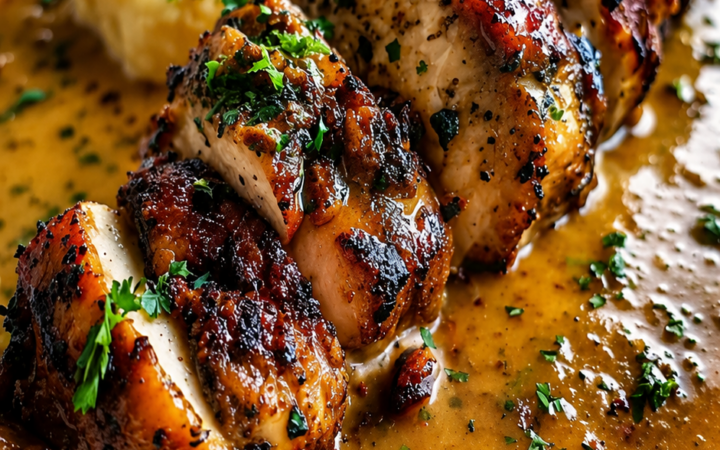
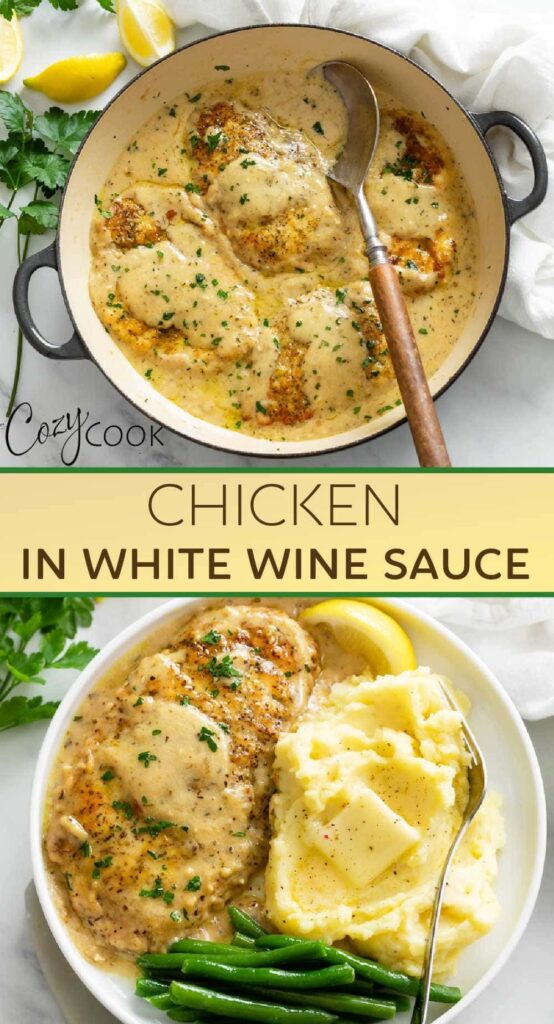
White wine sauce is a fundamental French technique that transforms a simple pan of seared protein into a restaurant-caliber dish. The magic lies in deglazing: the wine lifts the browned bits (fond) from the pan, which are packed with umami flavor. This recipe delivers a balanced, creamy sauce with a bright acidity that cuts through richness.
Advertisements1
Unlike heavy cream sauces, this version uses a modest amount of butter and cream, letting the wine shine. The result is a light, elegant sauce that coats the back of a spoon—ideal for weeknight dinners or special occasions. With just 15 minutes of prep and 20 minutes of cooking, you'll have a versatile sauce that pairs with chicken, fish, shrimp, or pasta.
I've broken down each step with exact temperatures and times to ensure consistent results. Whether you're a novice or a seasoned cook, this guide will help you avoid common pitfalls like broken sauce or harsh alcohol flavor.
Why You'll Love This Recipe
About the Ingredients
2 tablespoons (30g) unsalted butter
Use unsalted to control salt. Substitute with olive oil for a dairy-free version.
2 small shallots, finely minced (about 1/4 cup / 40g)
Shallots offer a mild onion-garlic flavor. Substitute with 1/4 cup finely chopped yellow onion.
1 cup (240ml) dry white wine, such as Sauvignon Blanc or Pinot Grigio
Use a wine you'd drink—avoid cooking wine. If you prefer not to use alcohol, substitute with chicken broth plus 1 tablespoon lemon juice.
1 cup (240ml) low-sodium chicken broth
Vegetable broth works too. Low-sodium prevents oversalting.
1/2 cup (120ml) heavy cream
For a lighter version, use half-and-half or evaporated milk, but the sauce will be thinner.
1 tablespoon (15ml) Dijon mustard
Adds tang and helps emulsify. Substitute with 1 teaspoon yellow mustard.
1 teaspoon (5g) fresh lemon juice
Brightens the sauce. Use bottled if fresh is unavailable, but fresh is better.
1/2 teaspoon salt, plus more to taste
Adjust according to your broth's saltiness.
1/4 teaspoon freshly ground black pepper
Freshly ground gives better flavor than pre-ground.
1 tablespoon (4g) fresh parsley, chopped (optional for garnish)
Adds color and freshness. Dried parsley can be used, but add at the end.
Tips & Tricks
- Use a dry wine (not sweet) to avoid a sugary sauce. Sauvignon Blanc, Pinot Grigio, or Chardonnay are ideal.
- Have all ingredients prepped before you start—the sauce comes together quickly, and you won't want to step away.
- If the sauce tastes too acidic, add a pinch of sugar or a small knob of butter to balance.
- For a thicker sauce, whisk in 1 tablespoon of cornstarch slurry (1:1 with water) at the end and simmer for 2 minutes.
Pro Tips
Step-by-Step Instructions
1. Melt Butter and Sauté Shallots
In a large skillet over medium heat (350°F / 177°C), melt the butter. Add the shallots and cook, stirring frequently, for 2-3 minutes until translucent and fragrant, but not browned.
2. Deglaze with Wine
Pour in the white wine, scraping up any browned bits from the bottom of the pan. Increase heat to medium-high (400°F / 204°C) and bring to a boil. Let it bubble and reduce by half, about 4-5 minutes, until the wine has a slightly syrupy consistency and the alcohol smell has dissipated.
3. Add Broth and Reduce
Stir in the chicken broth and continue boiling over medium-high heat. Reduce the liquid by half again, about 5-7 minutes, until the sauce has thickened slightly and coats the back of a spoon.
4. Lower Heat and Add Cream
Reduce the heat to low (200°F / 93°C). Pour in the heavy cream and Dijon mustard, whisking until fully combined. Simmer gently for 2-3 minutes, stirring occasionally, until the sauce is silky and slightly thickened. Do not let it boil.
5. Season and Finish
Stir in the lemon juice, salt, and pepper. Taste and adjust seasoning. If desired, add the parsley just before serving.
6. Serve Immediately
Spoon the sauce over your protein or pasta. It's best served fresh. If needed, keep warm over low heat, but cover to prevent a skin from forming.
Delicious Variations
Mushroom White Wine Sauce
Sauté 8 oz (225g) sliced cremini mushrooms with the shallots until golden brown, then proceed with the recipe.
Lemon-Herb White Wine Sauce
Add 1 teaspoon of fresh thyme leaves and 2 teaspoons of lemon zest along with the cream.
Cajun White Wine Sauce
Stir in 1/2 teaspoon of Cajun seasoning with the mustard for a spicy kick.
How to Store White Wine Sauce
Refrigerator
Store in an airtight container in the refrigerator for up to 3 days. The sauce will thicken as it cools; thin with a little broth or milk when reheating.
Freezer
Freeze in a freezer-safe container for up to 2 months. Thaw overnight in the refrigerator before reheating. Note that the texture may change slightly due to the cream.
Reheating
Reheat gently in a saucepan over low heat, stirring frequently. Add a splash of broth or cream if needed to restore the desired consistency. Avoid boiling to prevent curdling.
Frequently Asked Questions
Q: What is the best white wine for white wine sauce?
The best white wine is a dry, unoaked variety like Sauvignon Blanc, Pinot Grigio, or a dry Chardonnay. These provide bright acidity without sweetness or heavy oak that can overpower the sauce.
Q: Can I use white wine vinegar instead of white wine?
Yes, you can substitute white wine vinegar, but use half the amount (1/2 cup) and add 1/2 cup of chicken broth to maintain volume. Vinegar is more acidic, so taste and adjust with a bit of sugar if needed.
Q: How do I prevent the sauce from breaking or curdling?
To prevent curdling, keep the heat low when adding cream and never let the sauce boil after the cream is added. Also, use heavy cream with at least 30% fat, as lighter creams are more prone to separating.
Q: Can I make white wine sauce without cream?
Yes, you can omit the cream and instead whisk in 2 tablespoons of cold butter at the end to create a beurre blanc-style sauce. This yields a lighter, glossy sauce with a different mouthfeel.
Q: What can I serve with white wine sauce?
This sauce pairs beautifully with pan-seared chicken breast, fish like salmon or cod, shrimp, or tossed with fettuccine and vegetables. It also works as a base for creamy pasta dishes.
Now that you've mastered this essential sauce, try it on your favorite protein and experiment with the variations. Share your results in the comments below—I'd love to hear how it turned out. Invest in your knowledge.
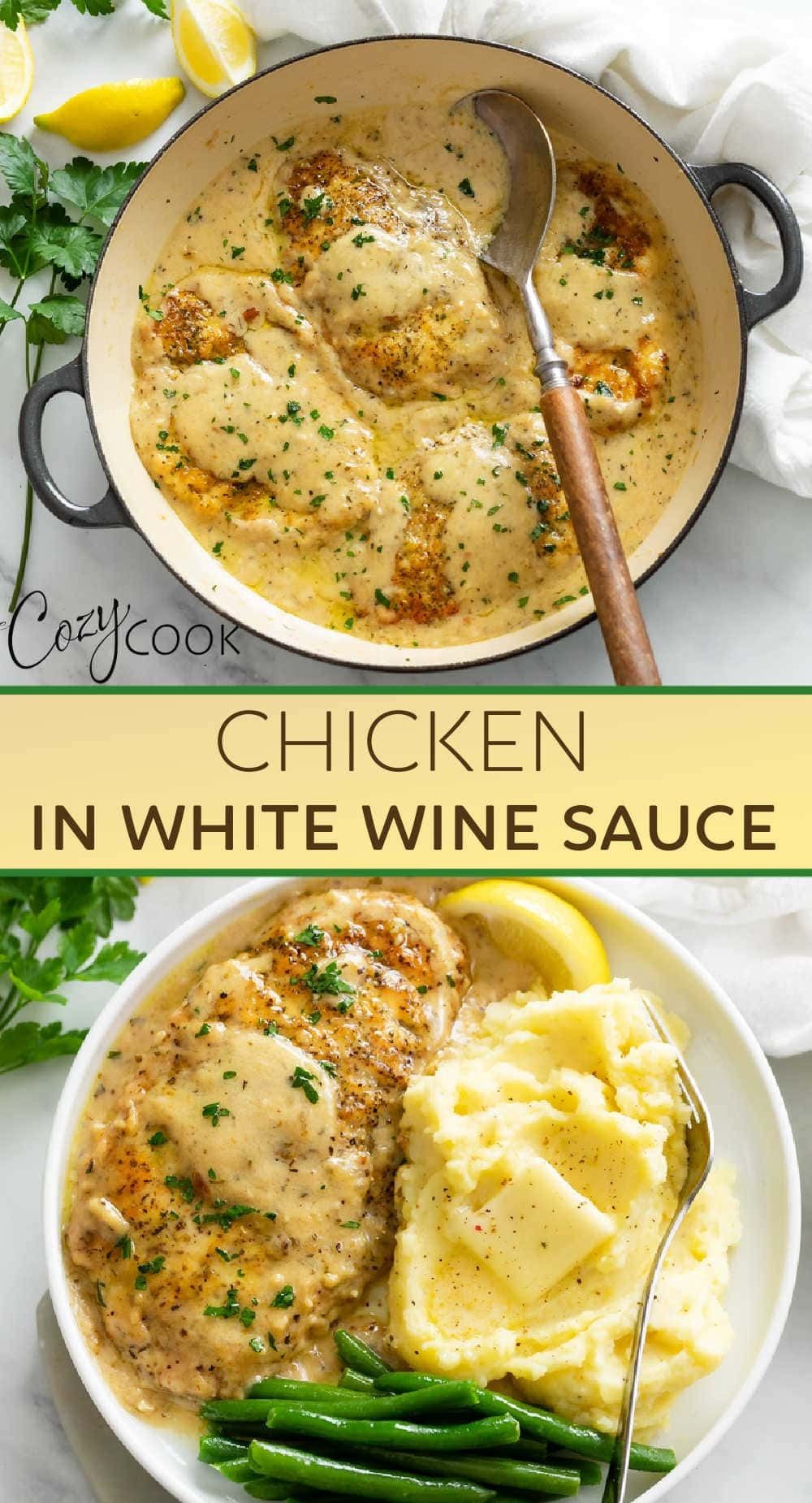
White Wine Sauce
Learn to make a silky, restaurant-quality white wine sauce in 20 minutes—perfect for chicken, fish, and pasta.
🧂 Ingredients
- 2 tablespoons (30g) unsalted butter
- 2 small shallots, finely minced (about 1/4 cup / 40g)
- 1 cup (240ml) dry white wine, such as Sauvignon Blanc or Pinot Grigio
- 1 cup (240ml) low-sodium chicken broth
- 1/2 cup (120ml) heavy cream
- 1 tablespoon (15ml) Dijon mustard
- 1 teaspoon (5g) fresh lemon juice
- 1/2 teaspoon salt, plus more to taste
- 1/4 teaspoon freshly ground black pepper
- 1 tablespoon (4g) fresh parsley, chopped (optional for garnish)
📋 Instructions
- 1Melt Butter and Sauté Shallots — In a large skillet over medium heat (350°F / 177°C), melt the butter. Add the shallots and cook, stirring frequently, for 2-3 minutes until translucent and fragrant, but not browned.
- 2Deglaze with Wine — Pour in the white wine, scraping up any browned bits from the bottom of the pan. Increase heat to medium-high (400°F / 204°C) and bring to a boil. Let it bubble and reduce by half, about 4-5 minutes, until the wine has a slightly syrupy consistency and the alcohol smell has dissipated.
- 3Add Broth and Reduce — Stir in the chicken broth and continue boiling over medium-high heat. Reduce the liquid by half again, about 5-7 minutes, until the sauce has thickened slightly and coats the back of a spoon.
- 4Lower Heat and Add Cream — Reduce the heat to low (200°F / 93°C). Pour in the heavy cream and Dijon mustard, whisking until fully combined. Simmer gently for 2-3 minutes, stirring occasionally, until the sauce is silky and slightly thickened. Do not let it boil.
- 5Season and Finish — Stir in the lemon juice, salt, and pepper. Taste and adjust seasoning. If desired, add the parsley just before serving.
- 6Serve Immediately — Spoon the sauce over your protein or pasta. It's best served fresh. If needed, keep warm over low heat, but cover to prevent a skin from forming.

Marcus writes about personal finance and investing, with a focus on helping young professionals build wealth from scratch. He breaks down complex concepts into simple, actionable strategies.