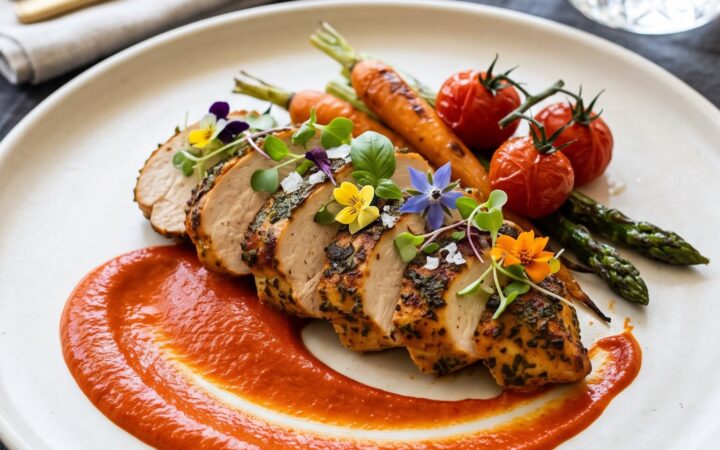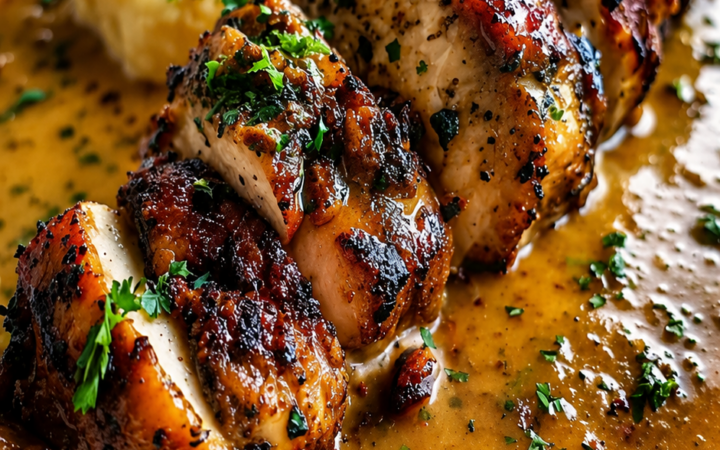
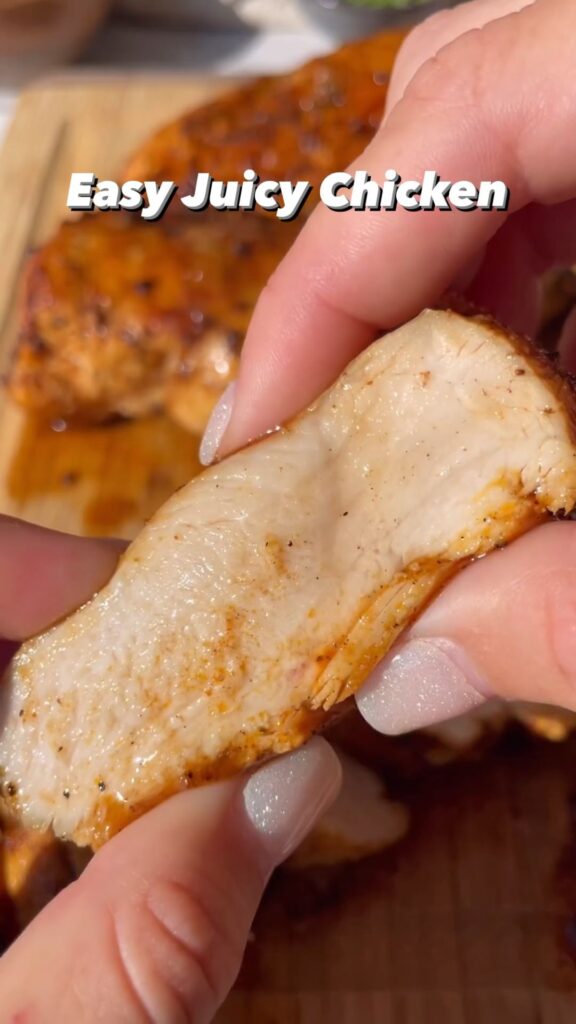
This is the chicken breast recipe I keep coming back to on busy weeknights: one skillet, a handful of pantry staples, and a reliable method that produces juicy meat instead of the dry, chalky results most people dread. I treat it like a small engineering problem: control the moisture, control the heat, control the timing, and the outcome is repeatable every single time.
Advertisements1
The secret is not a marinade that sits overnight. It is a dry surface, a hot pan, and a short rest. Patting the chicken completely dry lets the surface brown rather than steam, and a quick sear followed by a gentle finish in the pan locks in moisture without overcooking the center.
I will walk you through the exact temperatures, the sensory cues to watch for, and how to build a two-minute pan sauce from the browned bits left behind. If you have ever wondered why restaurant chicken tastes better, this is the answer, and it takes about half an hour from fridge to plate.
Why You'll Love This Recipe
About the Ingredients
1 lb (454 g) boneless, skinless chicken breasts
Buy breasts of even thickness, or pound them to about 3/4 inch (2 cm) so they cook evenly. Substitution: boneless skinless thighs work too, but add 4 to 5 minutes to the cook time.
1 1/2 teaspoons kosher salt
Kosher salt seasons more gently than table salt; if using fine table salt, reduce to 1 teaspoon. Buying tip: Diamond Crystal is less salty by volume than Morton, so taste and adjust.
1/2 teaspoon freshly ground black pepper
Freshly ground pepper tastes brighter than pre-ground. Substitution: a pinch of white pepper gives heat without visible specks in a pale pan sauce.
1 teaspoon garlic powder
Garlic powder clings to the dry surface and browns evenly without burning like fresh garlic can. Substitution: onion powder or a smoked paprika and cumin blend both work well.
2 tablespoons olive oil
Use regular, not extra-virgin, for a higher smoke point during the sear. Substitution: avocado oil or grapeseed oil are excellent neutral alternatives.
2 tablespoons unsalted butter
Butter adds flavor and helps the sauce emulsify at the end. Substitution: ghee or a dairy-free butter alternative both melt cleanly.
1/2 cup (120 ml) low-sodium chicken broth
Low-sodium broth lets you control the final seasoning. Substitution: dry white wine or water with a teaspoon of soy sauce both add depth.
1 tablespoon fresh lemon juice
Lemon brightens the buttery sauce and balances the richness. Substitution: a teaspoon of white wine vinegar or apple cider vinegar works in a pinch.
1 tablespoon chopped fresh parsley
Parsley adds a fresh finish and color. Substitution: fresh thyme, chives, or torn basil all work depending on what you have.
Tips & Tricks
Dry the surface thoroughly
Moisture is the enemy of browning, so pat the chicken with paper towels until it feels tacky, not wet.
Let the pan preheat fully
A properly hot pan means the chicken releases on its own instead of sticking and tearing.
Do not crowd the skillet
If the pieces touch, they steam instead of sear, so cook in batches if your pan is small.
Rest before slicing
Five minutes off the heat lets the juices redistribute so they stay in the meat, not on the board.
Pro Tips
Step-by-Step Instructions
1. Dry and Season
Pat the chicken breasts completely dry with paper towels, then season both sides evenly with the kosher salt, black pepper, and garlic powder. Let them sit at room temperature for 10 minutes while the pan heats.
2. Heat the Skillet
Place a large stainless steel or cast iron skillet over medium-high heat and add the olive oil. Heat until the oil shimmers and a drop of water flicked in sizzles instantly, about 2 to 3 minutes, which is roughly 375 F to 400 F (190 C to 205 C).
3. Sear the First Side
Lay the chicken in the pan with space between each piece and cook undisturbed for 5 to 6 minutes. The surface should turn deep golden brown and release easily from the pan when it is ready to flip.
4. Flip and Finish
Flip the chicken and cook for another 4 to 5 minutes, until the second side is golden and the thickest part reads 160 F (71 C) on an instant-read thermometer. Transfer the chicken to a plate and tent loosely with foil.
5. Build the Pan Sauce
Reduce the heat to medium and melt the butter in the same skillet. Add the chicken broth and simmer for 2 minutes, scraping up the browned bits, until the sauce reduces slightly and bubbles around the edges.
6. Brighten and Rest
Stir the lemon juice and parsley into the sauce, then return any resting juices from the plate. Taste and adjust the salt, then slice the chicken against the grain and spoon the sauce over the top.
Delicious Variations
Lemon-Herb
Add 1 teaspoon of dried oregano and the zest of one lemon to the sauce for a bright Mediterranean profile.
Spicy Honey
Whisk 1 tablespoon of honey and 1 teaspoon of chili flakes into the pan sauce for a sweet-heat glaze.
Creamy Mushroom
Saute 8 oz (225 g) of sliced mushrooms after searing, then add 1/4 cup (60 ml) of cream to the broth for a rich sauce.
How to Store Skillet-Seared Boneless Skinless Chicken Breasts
Refrigerator
Store cooled chicken and sauce in an airtight container for up to 4 days. Keep the sauce separate if you plan to reheat in a skillet so the chicken does not dry out.
Freezer
Freeze the sliced chicken with a little sauce in a freezer-safe bag for up to 3 months. Thaw overnight in the refrigerator before reheating.
Reheating
Reheat gently in a covered skillet over medium-low heat at about 300 F (150 C) for 5 to 7 minutes, or until the internal temperature reaches 165 F (74 C). Avoid the microwave for whole breasts, which toughens the meat.
Frequently Asked Questions
Q: How do I keep chicken breasts from drying out?
Pull them off the heat at 160 F (71 C) and let them rest for 5 minutes before slicing. The carryover cooking brings them to a safe 165 F (74 C) while the juices redistribute, which is the single biggest factor in keeping them moist.
Q: Can I cook this chicken from frozen?
Yes, but it will not sear as well, so plan for a longer cook. Add the frozen breasts to the pan, cover, and cook over medium heat for about 15 minutes, then uncover and sear once thawed, checking for 165 F (74 C).
Q: What internal temperature should chicken be cooked to?
The USDA recommends 165 F (74 C) for safety, measured in the thickest part. Because of carryover cooking, pulling at 160 F (71 C) and resting yields a final temperature of about 165 F (74 C) with better texture.
Q: Can I use chicken thighs instead of breasts?
Absolutely, and they are more forgiving because their higher fat content resists drying out. Use the same method but extend the sear to about 6 to 7 minutes per side and cook to 175 F (79 C) for the best texture.
Q: Why did my chicken stick to the pan?
The pan was not hot enough, or the chicken was still wet when it went in. Preheat until the oil shimmers and the surface is dry, then leave the chicken undisturbed until it releases on its own, usually after 5 to 6 minutes.
Cook this once and you will stop guessing at chicken dinners. Set a timer, trust your thermometer, and let the pan do the work. Simplify, focus, thrive.
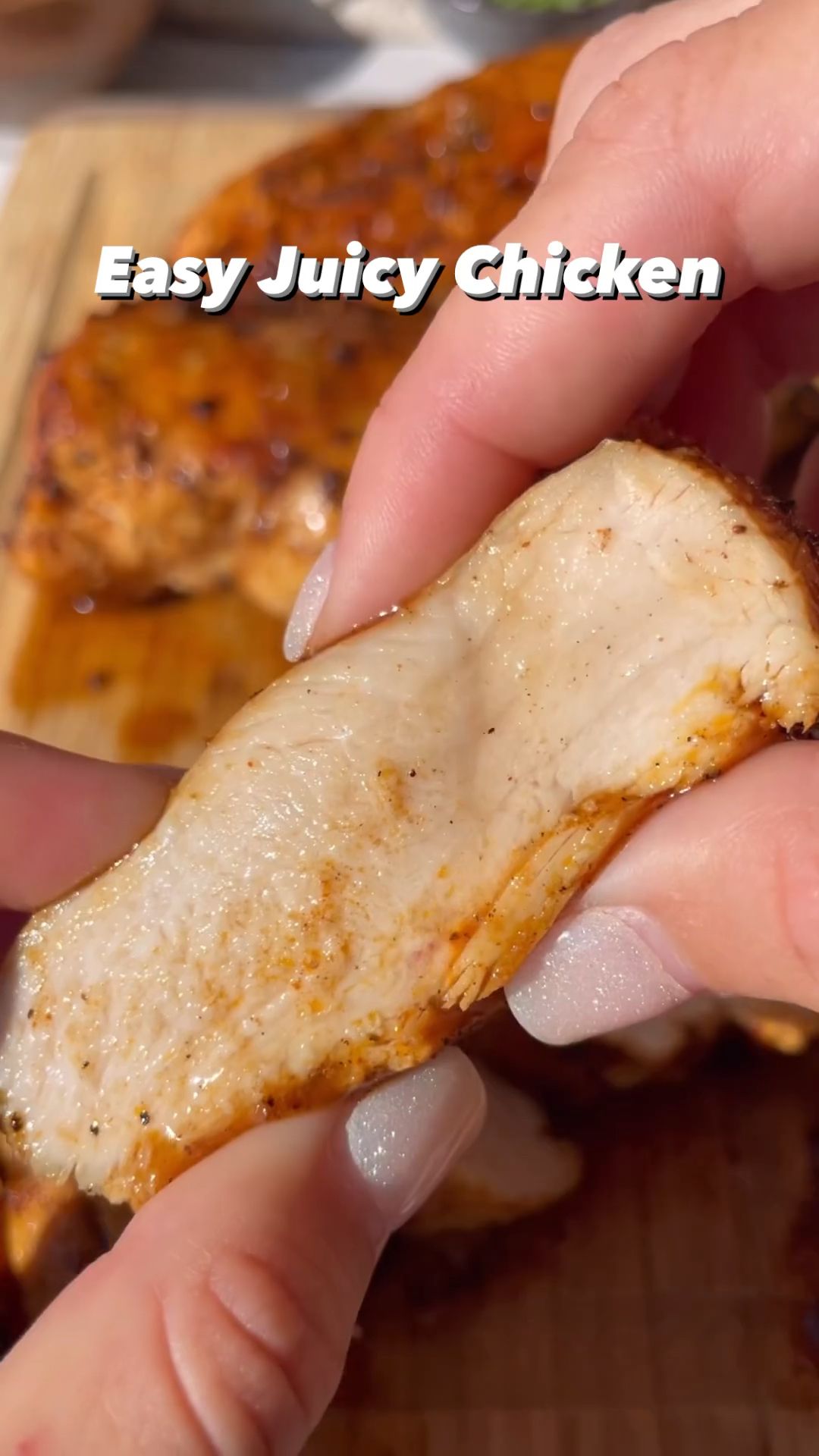
Skillet-Seared Boneless Skinless Chicken Breasts
Easy skillet chicken breasts deliver juicy, golden-seared protein in 30 minutes, with a buttery pan sauce that keeps every bite tender and flavorful.
🧂 Ingredients
- 1 lb (454 g) boneless, skinless chicken breasts
- 1 1/2 teaspoons kosher salt
- 1/2 teaspoon freshly ground black pepper
- 1 teaspoon garlic powder
- 2 tablespoons olive oil
- 2 tablespoons unsalted butter
- 1/2 cup (120 ml) low-sodium chicken broth
- 1 tablespoon fresh lemon juice
- 1 tablespoon chopped fresh parsley
📋 Instructions
- 1Dry and Season — Pat the chicken breasts completely dry with paper towels, then season both sides evenly with the kosher salt, black pepper, and garlic powder. Let them sit at room temperature for 10 minutes while the pan heats.
- 2Heat the Skillet — Place a large stainless steel or cast iron skillet over medium-high heat and add the olive oil. Heat until the oil shimmers and a drop of water flicked in sizzles instantly, about 2 to 3 minutes, which is roughly 375 F to 400 F (190 C to 205 C).
- 3Sear the First Side — Lay the chicken in the pan with space between each piece and cook undisturbed for 5 to 6 minutes. The surface should turn deep golden brown and release easily from the pan when it is ready to flip.
- 4Flip and Finish — Flip the chicken and cook for another 4 to 5 minutes, until the second side is golden and the thickest part reads 160 F (71 C) on an instant-read thermometer. Transfer the chicken to a plate and tent loosely with foil.
- 5Build the Pan Sauce — Reduce the heat to medium and melt the butter in the same skillet. Add the chicken broth and simmer for 2 minutes, scraping up the browned bits, until the sauce reduces slightly and bubbles around the edges.
- 6Brighten and Rest — Stir the lemon juice and parsley into the sauce, then return any resting juices from the plate. Taste and adjust the salt, then slice the chicken against the grain and spoon the sauce over the top.

Yuki writes about technology and digital minimalism, helping readers declutter their digital lives and use tech mindfully. She explores apps, tools, and habits that promote focus and well-being.