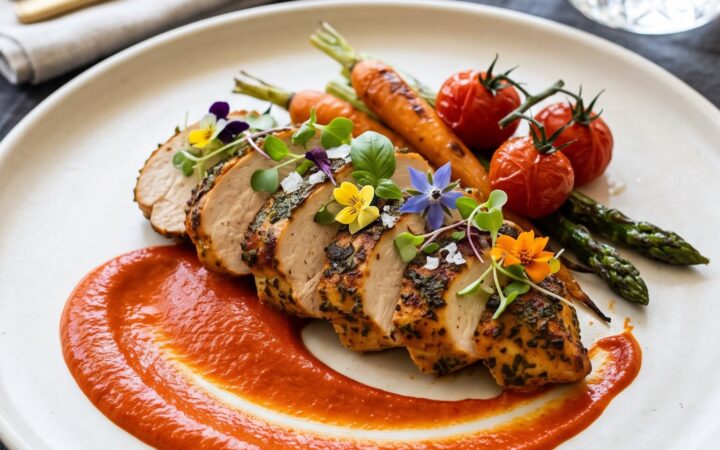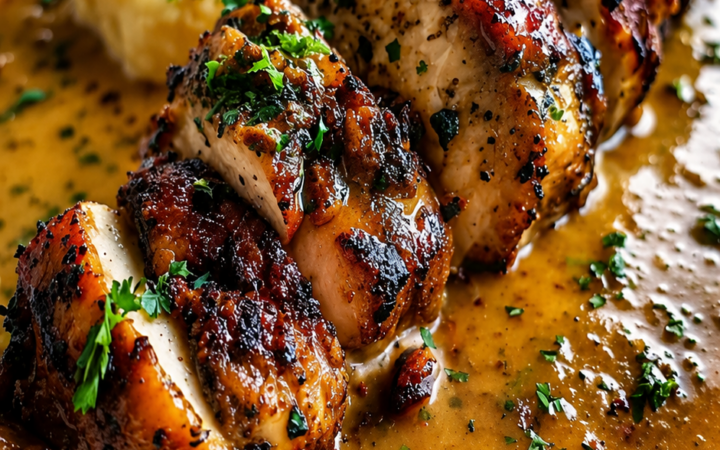
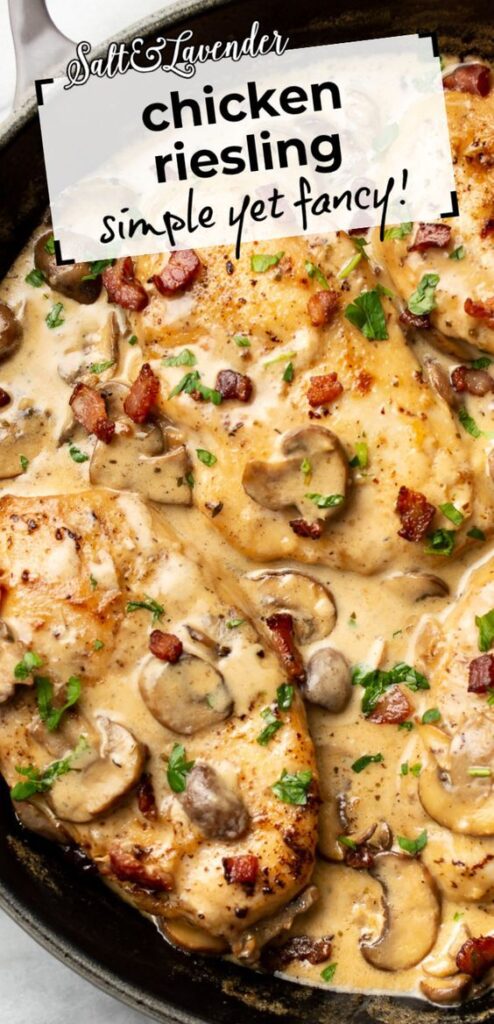
You know that moment when you're staring at a perfectly seared chicken breast or pork chop, and you think, 'This is good, but it could be great'? That's where this Riesling sauce comes in. It's the secret weapon that turns a simple weeknight dinner into something that feels like it came from a bistro.
Advertisements1
I used to order dishes at restaurants just for the sauce, and I'd wonder how they got it so silky and flavorful. Turns out, it's not complicated at all. A splash of wine, some shallots, a little cream – and you have a sauce that tastes like you've been slaving over the stove for hours. But it comes together in just about 20 minutes.
This recipe is my go-to when I want to impress without the stress. It's forgiving, adaptable, and uses ingredients you probably already have. Plus, you can make it with a $10 bottle of Riesling and still get that bright, fruity flavor that makes it so special.
Why You'll Love This Recipe
About the Ingredients
1 cup (240ml) dry Riesling wine
Use a dry Riesling (not off-dry) for the best balance. If you prefer, substitute with a dry white wine like Sauvignon Blanc or Pinot Grigio. Check the label for 'trocken' (German for dry) if using a German Riesling.
1 small shallot, finely minced (about 2 tablespoons)
Shallots have a milder, sweeter flavor than onions. If you don't have one, use 1/4 cup finely chopped yellow onion.
1 cup (240ml) low-sodium chicken broth
Chicken broth adds depth without overpowering the wine. You can use vegetable broth for a vegetarian version, or even water with a bouillon cube.
1/2 cup (120ml) heavy cream
Heavy cream gives the sauce its velvety texture. For a lighter option, use half-and-half, but the sauce will be thinner. For a dairy-free version, use full-fat coconut milk (the flavor will change slightly).
2 tablespoons unsalted butter
Butter adds richness and helps emulsify the sauce. Use cold butter, cut into pieces, and whisk in at the end for a glossy finish.
1 tablespoon olive oil
For sautéing the shallots. You can use any neutral oil like canola or vegetable.
1 teaspoon Dijon mustard
Dijon adds a subtle tang and helps stabilize the cream. If you don't have Dijon, use a pinch of dry mustard powder.
1/2 teaspoon salt, plus more to taste
Salt enhances the flavors. Use kosher salt and adjust according to your taste.
1/4 teaspoon black pepper, freshly ground
Freshly ground pepper adds a gentle kick. Adjust to your preference.
1 tablespoon fresh lemon juice (optional)
A squeeze of lemon brightens the sauce at the end. If you don't have lemon, a splash of white wine vinegar works too.
1 tablespoon chopped fresh parsley, for garnish (optional)
Parsley adds a pop of color and freshness. You can also use chives or tarragon.
Tips & Tricks
- Use a dry Riesling – if it's too sweet, the sauce will be cloying. Look for 'trocken' on the label.
- Don't skip the reduction step – letting the wine and broth simmer down concentrates the flavors and thickens the sauce naturally.
- Add the cream off the heat and whisk gently to avoid curdling. If you're nervous, temper the cream by adding a spoonful of hot sauce to it first.
- If the sauce gets too thick, thin it with a splash of broth or water. If it's too thin, let it simmer a few more minutes.
Pro Tips
Step-by-Step Instructions
1. Sauté the Shallots
Heat the olive oil in a medium saucepan over medium heat (350°F / 175°C). Add the minced shallots and cook, stirring, for 2-3 minutes until soft and translucent, but not browned.
2. Deglaze with Riesling
Pour in the Riesling and use a wooden spoon to scrape up any browned bits from the bottom. Bring to a simmer over medium-high heat (400°F / 200°C) and let it bubble for 5-6 minutes until the wine has reduced by half and smells less alcoholic.
3. Add Broth and Reduce
Stir in the chicken broth and bring back to a simmer. Let it cook uncovered for 8-10 minutes, until the liquid has reduced by about half. You should have about 1 cup of liquid left.
4. Whisk in Cream and Mustard
Reduce the heat to low (200°F / 95°C). Whisk in the heavy cream and Dijon mustard. Let the sauce gently simmer for 2-3 minutes, stirring occasionally, until it thickens slightly and coats the back of a spoon.
5. Finish with Butter
Remove the pan from the heat. Whisk in the cold butter, one piece at a time, until melted and the sauce is glossy. Season with salt, pepper, and lemon juice if using.
6. Strain and Serve
For a silky texture, strain the sauce through a fine-mesh sieve. Taste and adjust seasoning. Spoon over your protein and garnish with parsley.
Delicious Variations
Mushroom Riesling Sauce
Sauté 1 cup sliced cremini mushrooms with the shallots until golden, then proceed as directed.
Herb Riesling Sauce
Stir in 1 tablespoon of fresh thyme leaves or 1 teaspoon of dried tarragon along with the cream.
Spicy Riesling Sauce
Add a pinch of red pepper flakes or a dash of cayenne with the shallots for a subtle kick.
How to Store Riesling Sauce Recipe
Refrigerator
Store in an airtight container in the fridge for up to 3 days.
Freezer
Freeze in a freezer-safe container for up to 2 months. Thaw overnight in the fridge before reheating.
Reheating
Reheat gently in a small saucepan over low heat (250°F / 120°C), stirring frequently. Add a splash of broth or cream if it has thickened too much.
Frequently Asked Questions
Q: Can I use any white wine instead of Riesling?
Yes, you can use any dry white wine like Sauvignon Blanc, Pinot Grigio, or Chardonnay. However, Riesling adds a unique fruity note that pairs beautifully with pork and chicken. If using a different wine, you may need to adjust the sweetness with a pinch of sugar.
Q: How do I prevent the cream from curdling?
To prevent curdling, keep the heat low when adding the cream, and whisk constantly. Also, remove the pan from the heat before adding the cream, then return it to low heat. Avoid boiling the sauce after adding the cream.
Q: Can I make this sauce dairy-free?
Yes, you can substitute the heavy cream with full-fat coconut milk or a dairy-free cream alternative. Use olive oil instead of butter, and skip the butter finish. The sauce will be slightly different in flavor but still delicious.
Q: What dishes pair well with Riesling sauce?
This sauce is fantastic on pan-seared chicken breasts, pork chops, salmon, or even roasted vegetables. It also works well over egg noodles or mashed potatoes.
Q: Can I make this sauce ahead of time?
Yes, you can make it up to 2 days ahead. Store it in the fridge and reheat gently on the stove, adding a splash of broth or cream to loosen it. The texture may be slightly less silky, but it's still great.
I'd love to hear how you used this Riesling sauce – did you spoon it over chicken, pork, or something else? Drop a comment below and let me know! And if you tried a variation, share that too. Your ideas might inspire someone else.
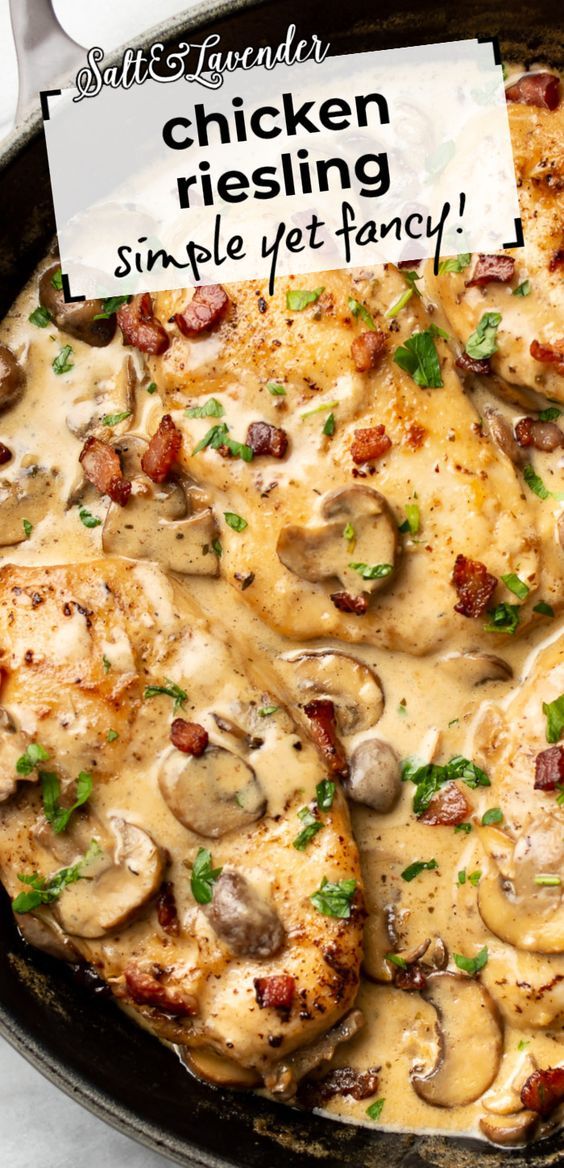
Riesling Sauce Recipe
Riesling Sauce: a creamy, tangy pan sauce that elevates chicken, pork, or fish in 20 minutes. Restaurant-quality, budget-friendly.
🧂 Ingredients
- 1 cup (240ml) dry Riesling wine
- 1 small shallot, finely minced (about 2 tablespoons)
- 1 cup (240ml) low-sodium chicken broth
- 1/2 cup (120ml) heavy cream
- 2 tablespoons unsalted butter
- 1 tablespoon olive oil
- 1 teaspoon Dijon mustard
- 1/2 teaspoon salt, plus more to taste
- 1/4 teaspoon black pepper, freshly ground
- 1 tablespoon fresh lemon juice (optional)
- 1 tablespoon chopped fresh parsley, for garnish (optional)
📋 Instructions
- 1Sauté the Shallots — Heat the olive oil in a medium saucepan over medium heat (350°F / 175°C). Add the minced shallots and cook, stirring, for 2-3 minutes until soft and translucent, but not browned.
- 2Deglaze with Riesling — Pour in the Riesling and use a wooden spoon to scrape up any browned bits from the bottom. Bring to a simmer over medium-high heat (400°F / 200°C) and let it bubble for 5-6 minutes until the wine has reduced by half and smells less alcoholic.
- 3Add Broth and Reduce — Stir in the chicken broth and bring back to a simmer. Let it cook uncovered for 8-10 minutes, until the liquid has reduced by about half. You should have about 1 cup of liquid left.
- 4Whisk in Cream and Mustard — Reduce the heat to low (200°F / 95°C). Whisk in the heavy cream and Dijon mustard. Let the sauce gently simmer for 2-3 minutes, stirring occasionally, until it thickens slightly and coats the back of a spoon.
- 5Finish with Butter — Remove the pan from the heat. Whisk in the cold butter, one piece at a time, until melted and the sauce is glossy. Season with salt, pepper, and lemon juice if using.
- 6Strain and Serve — For a silky texture, strain the sauce through a fine-mesh sieve. Taste and adjust seasoning. Spoon over your protein and garnish with parsley.

Elena writes about sustainable living and practical zero-waste swaps for everyday families. She focuses on small, budget-friendly changes that make a big difference over time.