
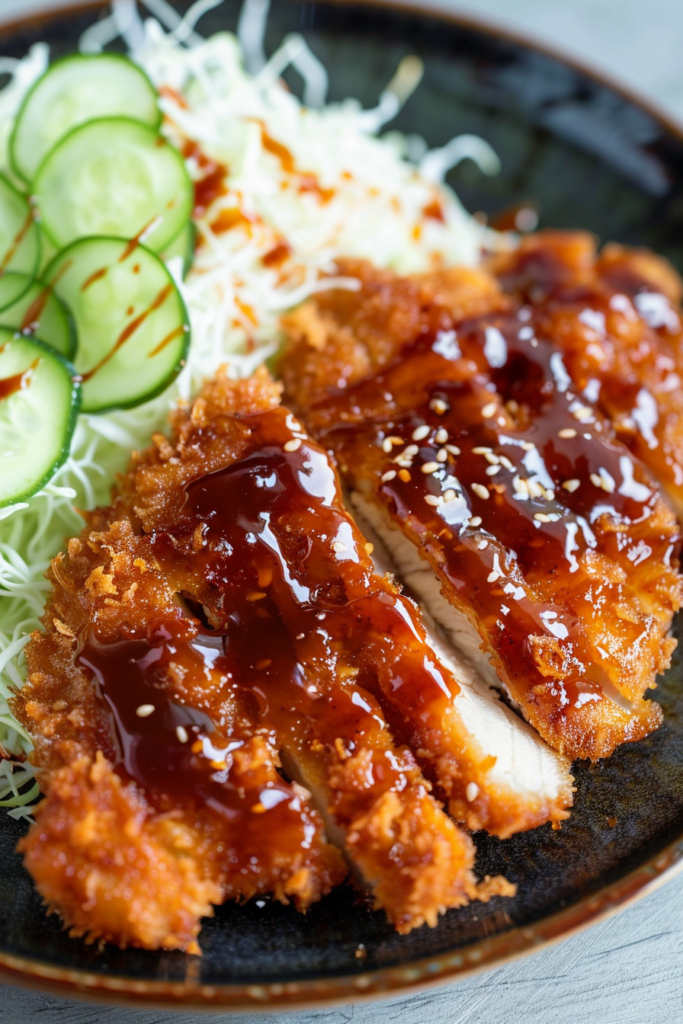
I first built this Crispy Katsu Meal on a drizzly evening at a campground outside Bend, Oregon, balancing a cast-iron skillet on a two-burner camp stove while the rain tapped the tarp overhead. The payoff was a plate of golden cutlets so crunchy you could hear them across the picnic table, and my hiking buddy declared it better than the tonkatsu joint back in town. That's the thing about katsu: it looks restaurant-fancy but it's just breaded pork, hot oil, and a sauce you can stir together in ninety seconds.
Advertisements1
Since then I've made this Crispy Katsu Meal dozens of times, from a proper kitchen to a tailgate in a windy parking lot, and the formula never changes. You need thin cutlets, a three-station breading line, oil held steady around 350°F (175°C), and a sauce that balances sweet, salty, and tangy. Get those four things right and you're eating in under an hour.
One honest note: this is a fry-night recipe, not a weeknight-oh-crap-I-forgot-to-thaw recipe. Give yourself the full 50 minutes, keep a splatter screen handy, and never walk away from hot oil. Do that and you'll be rewarded with the crunchiest pork dinner this side of the Cascades.
Why You'll Love This Recipe
About the Ingredients
6 thin-cut boneless pork loin cutlets, about 4 oz (115g) each, pounded to 1/4 inch
Look for 'thin-cut' or 'breakfast' pork chops at the butcher counter, or pound regular chops yourself between plastic wrap. Chicken thighs or firm tofu work as swaps, but add 1 to 2 minutes fry time for chicken and press the tofu dry for 15 minutes first.
1 1/2 cups (180g) all-purpose flour
Flour is your dry anchor so the egg sticks. If you're going gluten-free, use a 1-to-1 GF baking blend plus 1 teaspoon cornstarch, and expect a slightly softer crust.
3 large eggs, beaten with 1 tablespoon water
The water thins the egg so it coats evenly without glooping. Two jumbo eggs work too, or for an egg-free version whisk 1/2 cup buttermilk with 1 tablespoon cornstarch.
3 cups (165g) panko breadcrumbs
Japanese-style panko is the whole point here; standard breadcrumbs turn sandy. Buy the coarse, flaky kind, and if you only have fine crumbs, pulse them with a handful of crushed cornflakes for crunch.
1 1/2 teaspoons kosher salt, plus more for sprinkling
Kosher salt seasons the flour and the finished cutlets. If you're using fine table salt, cut the amount to 1 teaspoon since it's much denser.
1 teaspoon freshly ground black pepper
Fresh-cracked pepper tastes brighter than pre-ground. Add 1/2 teaspoon garlic powder to the flour if you want a little extra savory backbone.
1/2 cup (120ml) katsu sauce (or homemade: 1/4 cup ketchup, 3 tablespoons Worcestershire, 2 tablespoons oyster sauce, 1 tablespoon sugar)
Bottled katsu sauce is fine and costs about $5 at Asian markets. The homemade blend above is my go-to when I'm camping, and it tastes 90 percent as good for a third of the price.
2 cups (370g) cooked short-grain white rice, kept warm
Short-grain rice gives that sticky, clumpable texture that soaks up sauce. Jasmine works in a pinch, but skip long-grain basmati here, it stays too separate.
3 cups (710ml) neutral oil, such as canola or peanut, for frying
Peanut oil has the highest smoke point and a clean flavor; canola is cheaper and just as reliable. Never use olive oil for deep frying, it burns well below 350°F (175°C).
3 cups (about 200g) shredded green cabbage, for serving
Thin-shredded cabbage is the classic katsu side and cuts the richness. Bagged coleslaw mix saves 10 minutes, though it's a bit coarser than hand-shredded.
2 scallions, thinly sliced, plus toasted sesame seeds for garnish
Scallions add a fresh bite and sesame adds nuttiness. Toasted sesame seeds are worth the extra dollar; raw ones taste flat.
Lemon wedges, for serving
A squeeze of lemon brightens the whole plate. Lime works if that's what's in the fridge, but lemon is the traditional pairing.
Tips & Tricks
Don't Skip the Rest
Let breaded cutlets sit for 10 minutes before frying so the coating hydrates and grips; frying immediately is the number one cause of crust sliding off in the oil.
Watch Your Oil Temp
Keep the oil between 340°F and 360°F (170°C to 180°C); too cool and the crust turns greasy, too hot and the panko scorches before the pork cooks through.
Press the Panko On
Use your palm to press crumbs firmly into each cutlet, then shake off only the loose bits, because a packed crust fries up dramatically crunchier.
Salt Immediately After Frying
Sprinkle kosher salt the second cutlets leave the oil, since salt sticks to hot fat and won't adhere once the crust cools.
Pro Tips
Step-by-Step Instructions
1. Pound and Season Pork
Place each cutlet between two sheets of plastic wrap and pound to an even 1/4 inch (6mm) thickness with a rolling pin or mallet. Even thickness is the whole ballgame here, since thin spots burn before thick spots cook through. Season both sides with 1 teaspoon of the kosher salt and the black pepper.
2. Set Up Breading Station
Line up three shallow dishes: flour mixed with the remaining 1/2 teaspoon salt in the first, beaten eggs in the second, and panko in the third. Working with one cutlet at a time, dredge in flour and shake off the excess, dip in egg letting the extra drip back, then press firmly into panko on both sides. Set breaded cutlets on a wire rack and rest 10 minutes.
3. Heat the Frying Oil
Pour 1 inch (2.5cm) of neutral oil into a deep 12-inch skillet or Dutch oven and heat over medium-high to 350°F (175°C), which takes about 6 to 8 minutes. Clip on a thermometer and adjust the burner to hold that range. Test with a panko crumb: it should sizzle and bubble immediately at the edges.
4. Fry the Cutlets
Fry two cutlets at a time for 3 to 4 minutes per side, until the crust is deep golden brown and the internal temperature reads 145°F (63°C) on an instant-read thermometer. You'll see vigorous bubbling around the edges and smell that toasted-panko aroma when they're close. Transfer to a wire rack and sprinkle with salt while hot.
5. Stir the Katsu Sauce
While the last batch drains, whisk together the katsu sauce ingredients in a small bowl, or warm bottled sauce in the microwave for 20 seconds. Taste and adjust: more sugar if it's too sharp, more Worcestershire if it needs tang. The sauce should coat a spoon but still drizzle easily.
6. Build the Plates
Divide the warm rice among six plates and mound the shredded cabbage beside it. Slice each cutlet crosswise into 3/4-inch strips and fan over the rice. Drizzle generously with katsu sauce and finish with scallions, sesame seeds, and a lemon wedge.
7. Serve Immediately
Get plates to the table within 5 minutes, because katsu is at peak crunch right out of the oil. Pass extra sauce at the table and squeeze the lemon over everything just before the first bite. Leftovers are still good, but the crunch fades fast.
Delicious Variations
Chicken Katsu
Swap the pork for 6 thin-sliced chicken breasts and fry 4 to 5 minutes per side until the internal temp hits 165°F (74°C); the crust stays identical.
Katsu Curry Bowl
Ladle 2 cups of warm Japanese curry sauce over the sliced cutlet and rice instead of drizzling katsu sauce for a heartier, colder-weather version.
Baked Katsu (Lighter Option)
Spray breaded cutlets with oil and bake on a rack at 425°F (220°C) for 18 to 20 minutes, flipping once; the crust is 80 percent as crunchy with a fraction of the oil.
How to Store Crispy Katsu Meal
Refrigerator
Store fried cutlets and rice in separate airtight containers for up to 3 days; keep the sauce in its own jar for up to 2 weeks.
Freezer
Freeze breaded, unbaked cutlets on a sheet pan for 1 hour, then transfer to a bag for up to 2 months and fry straight from frozen, adding 1 minute per side.
Reheating
Reheat cutlets on a wire rack in a 375°F (190°C) oven for 8 to 10 minutes to restore crunch; never microwave them or the crust turns rubbery.
Frequently Asked Questions
Q: What is katsu sauce made of?
Katsu sauce is a thick Japanese condiment made from ketchup, Worcestershire sauce, oyster sauce, and sugar, though bottled versions also add fruit purees and spices. It tastes like a sweeter, thicker steak sauce with a tangy finish. My four-ingredient homemade blend gets you 90 percent of the way there in 90 seconds.
Q: What temperature should oil be for frying katsu?
Fry katsu at 350°F (175°C), holding between 340°F and 360°F (170°C to 180°C) for the whole batch. Too cool and the panko soaks up oil and turns greasy; too hot and the crust darkens before the pork reaches 145°F (63°C) internally. Use a clip-on thermometer and adjust the burner as you go.
Q: Why is my katsu breading falling off?
Breading falls off when the cutlet isn't dried before dredging or when you skip the 10-minute rest after breading. Pat the pork completely dry, press the panko on firmly with your palm, and let the coated cutlets sit so the egg and crumbs hydrate into a single shell. Handle them gently with tongs in the oil and don't flip more than once.
Q: Can I make crispy katsu in the oven instead of frying?
Yes, bake breaded cutlets on a wire rack at 425°F (220°C) for 18 to 20 minutes, flipping once and spraying lightly with oil. The crust comes out about 80 percent as crunchy as fried, which is a solid trade if you're avoiding a pot of hot oil. For the crispiest oven version, toast the panko in a dry skillet with a tablespoon of oil before breading.
Q: What do you serve with katsu?
Classic katsu comes with steamed short-grain rice, finely shredded green cabbage, and a lemon wedge, plus extra katsu sauce on the side. Miso soup and pickled cucumbers round it out nicely. If you want a heartier plate, swap the rice for Japanese curry or add a soft-boiled egg.
Give this Crispy Katsu Meal a shot on your next fry night, and don't be shy with the sauce. If you make it, tell me whether you went pork, chicken, or tofu, and how loud that crust crunched. Get out there and explore.
Crispy Katsu Meal
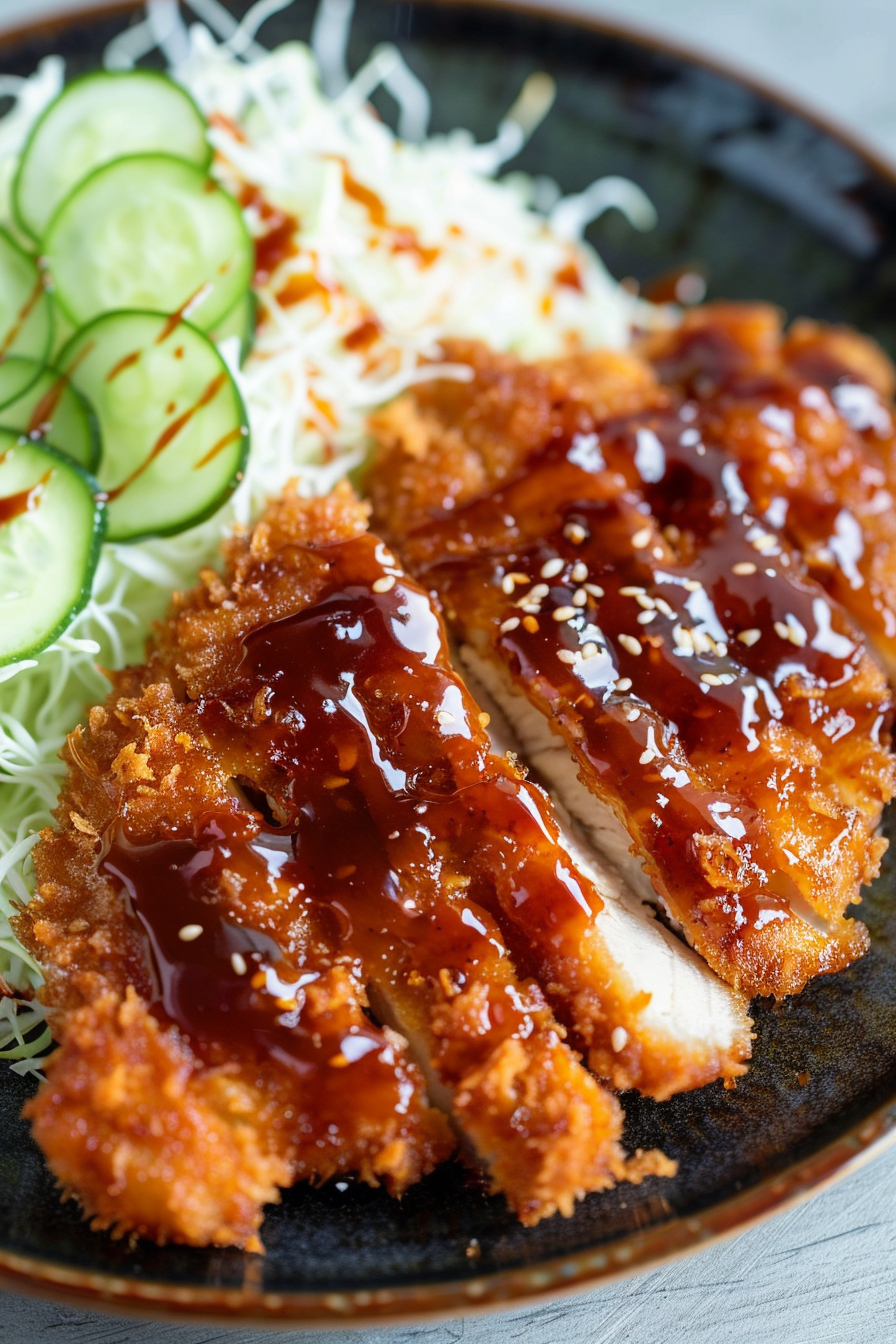
Crispy Katsu Meal delivers shatteringly crunchy panko pork cutlets with fluffy rice and tangy katsu sauce in one satisfying 50-minute dinner.
🧂 Ingredients
- 6 thin-cut boneless pork loin cutlets, about 4 oz (115g) each, pounded to 1/4 inch
- 1 1/2 cups (180g) all-purpose flour
- 3 large eggs, beaten with 1 tablespoon water
- 3 cups (165g) panko breadcrumbs
- 1 1/2 teaspoons kosher salt, plus more for sprinkling
- 1 teaspoon freshly ground black pepper
- 1/2 cup (120ml) katsu sauce (or homemade: 1/4 cup ketchup, 3 tablespoons Worcestershire, 2 tablespoons oyster sauce, 1 tablespoon sugar)
- 2 cups (370g) cooked short-grain white rice, kept warm
- 3 cups (710ml) neutral oil, such as canola or peanut, for frying
- 3 cups (about 200g) shredded green cabbage, for serving
- 2 scallions, thinly sliced, plus toasted sesame seeds for garnish
- Lemon wedges, for serving
📋 Instructions
- 1Pound and Season Pork — Place each cutlet between two sheets of plastic wrap and pound to an even 1/4 inch (6mm) thickness with a rolling pin or mallet. Even thickness is the whole ballgame here, since thin spots burn before thick spots cook through. Season both sides with 1 teaspoon of the kosher salt and the black pepper.
- 2Set Up Breading Station — Line up three shallow dishes: flour mixed with the remaining 1/2 teaspoon salt in the first, beaten eggs in the second, and panko in the third. Working with one cutlet at a time, dredge in flour and shake off the excess, dip in egg letting the extra drip back, then press firmly into panko on both sides. Set breaded cutlets on a wire rack and rest 10 minutes.
- 3Heat the Frying Oil — Pour 1 inch (2.5cm) of neutral oil into a deep 12-inch skillet or Dutch oven and heat over medium-high to 350°F (175°C), which takes about 6 to 8 minutes. Clip on a thermometer and adjust the burner to hold that range. Test with a panko crumb: it should sizzle and bubble immediately at the edges.
- 4Fry the Cutlets — Fry two cutlets at a time for 3 to 4 minutes per side, until the crust is deep golden brown and the internal temperature reads 145°F (63°C) on an instant-read thermometer. You'll see vigorous bubbling around the edges and smell that toasted-panko aroma when they're close. Transfer to a wire rack and sprinkle with salt while hot.
- 5Stir the Katsu Sauce — While the last batch drains, whisk together the katsu sauce ingredients in a small bowl, or warm bottled sauce in the microwave for 20 seconds. Taste and adjust: more sugar if it's too sharp, more Worcestershire if it needs tang. The sauce should coat a spoon but still drizzle easily.
- 6Build the Plates — Divide the warm rice among six plates and mound the shredded cabbage beside it. Slice each cutlet crosswise into 3/4-inch strips and fan over the rice. Drizzle generously with katsu sauce and finish with scallions, sesame seeds, and a lemon wedge.
- 7Serve Immediately — Get plates to the table within 5 minutes, because katsu is at peak crunch right out of the oil. Pass extra sauce at the table and squeeze the lemon over everything just before the first bite. Leftovers are still good, but the crunch fades fast.

Liam writes about outdoor adventure and gear, focusing on budget-friendly options and safety. He tests equipment in real conditions and shares honest assessments for hikers and campers.