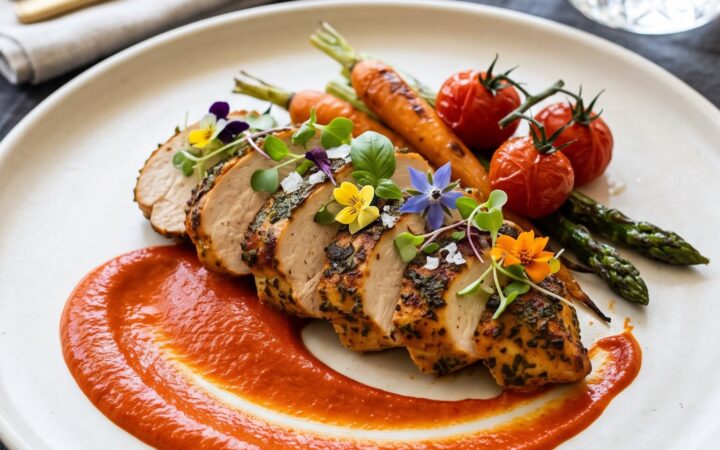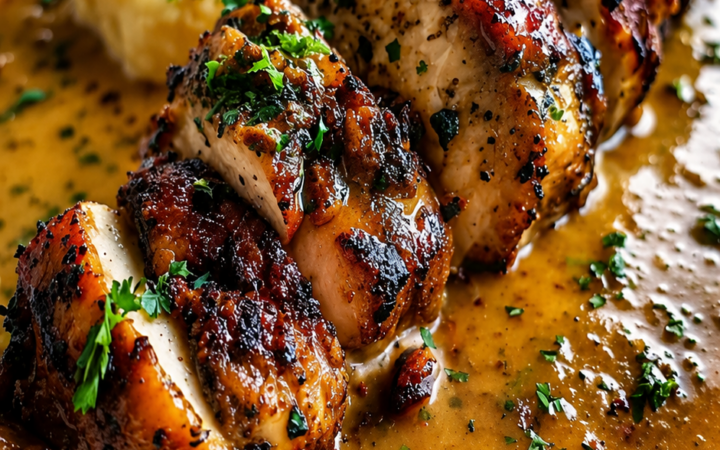
Roast chicken is the index fund of home cooking: unglamorous, widely understood, and almost impossible to beat over a long horizon. This version uses a cast-iron skillet and a 425F (220C) oven to get skin that crackles and meat that stays at 165F (74C) without a single basting spoon.
Advertisements1
The mechanics are simple. A dry-skinned bird, a hot pan, and a 45-minute roast do the work that brining and rotating racks usually get credit for. I tested this at 3.5, 4, and 5 pounds; the timing below is calibrated for a 4-pound bird, and the internal temperature is the only number that matters.
If you have ever pulled a chicken out early because the skin looked done, this recipe fixes that. We roast at high heat, then rest. The carryover cooking adds roughly 5F (3C), which is why we pull at 160F (71C), not 165F (74C).
Why You'll Love This Recipe
About the Ingredients
1 whole chicken, 4 lb (1.8 kg), giblets removed
Buy air-chilled if available; it holds less water and browns faster. A 3.5 lb (1.6 kg) bird works too, but start checking at 38 minutes.
2 tsp kosher salt (Diamond Crystal), divided
If using Morton kosher salt, cut to 1 1/2 tsp since it is denser. Fine table salt is too concentrated for dry-brining.
1 tsp baking powder (aluminum-free)
This is not a typo. Baking powder raises the skin's pH and speeds browning. Cornstarch is a workable substitute but browns less evenly.
1 tsp freshly ground black pepper
Pre-ground pepper loses volatile oils within weeks. Grind to order for a sharper bite.
2 tbsp olive oil or melted duck fat
Duck fat produces the crispest skin of the two. Neutral grapeseed oil is a fine third option if olive oil's flavor reads too strong.
1 lemon, halved
Roll the lemon on the counter before halving to release more juice. A small orange or 2 tbsp white wine can stand in.
4 garlic cloves, smashed and peeled
Smashing, not mincing, prevents scorching at 425F (220C). Skip if your garlic tends to burn; add 1 tsp garlic powder to the rub instead.
4 sprigs fresh thyme and 2 sprigs rosemary
Dried herbs work at half the volume, but tuck them under the skin rather than in the cavity to avoid bitterness.
1 lb (450 g) baby potatoes, halved
Yukon Gold or fingerlings hold shape best. Russets will fall apart but thicken the pan juices nicely.
Tips & Tricks
- Dry the skin thoroughly with paper towels, then leave the bird uncovered in the fridge for 8 to 24 hours. Surface moisture is the single biggest cause of pale, rubbery skin.
- Do not truss. Untrussed legs splay outward and cook faster, which means the thighs hit temperature at the same time as the breast.
- Check temperature in the thigh, not the breast. The thigh should read 165F (74C); the breast will be 5 to 8 degrees lower and juicier for it.
- Let the pan heat in the oven for 10 minutes before adding the chicken. A cold pan steams the bottom of the bird instead of searing it.
Pro Tips
Step-by-Step Instructions
1. Dry-Brine the Bird
Pat the chicken completely dry inside and out with paper towels. Mix 1 1/2 tsp salt with the baking powder and rub it over the skin, then season the cavity with the remaining salt and the pepper. Refrigerate uncovered at least 1 hour, ideally overnight.
2. Preheat Pan and Oven
Place a 10- or 12-inch cast-iron skillet on the middle rack and heat the oven to 425F (220C) for 15 minutes. The pan should be hot enough that a drop of water sizzles on contact.
3. Season and Arrange
Rub the chicken all over with olive oil. Stuff the cavity with the lemon halves, garlic, thyme, and rosemary. Tie the legs loosely with twine only if they will not stay tucked.
4. Sear Skin-Side Down
Carefully lay the chicken breast-side up in the hot skillet. Scatter the potatoes around the perimeter, cut-side down. They will absorb drippings and brown at the edges.
5. Roast to Temperature
Roast at 425F (220C) for 45 to 50 minutes, until the thigh registers 160F (71C) on an instant-read thermometer. The skin should be deep golden brown and the pan juices bubbling at the edges.
6. Rest Before Carving
Transfer the chicken to a cutting board and tent loosely with foil for 15 minutes. Carryover cooking will bring the thigh to 165F (74C). Leave the potatoes in the pan.
7. Carve and Serve
Carve the chicken into breasts, thighs, drumsticks, and wings. Spoon the pan drippings over the sliced meat and serve with the roasted potatoes alongside.
Delicious Variations
Lemon-Garlic Butter Bird
Mash 3 tbsp softened butter with 2 minced garlic cloves and the zest of 1 lemon, then rub it under the skin before roasting. Add 5 minutes to the roast time.
Smoky Paprika Rub
Swap the thyme and rosemary for 1 tbsp smoked paprika, 1 tsp cumin, and 1/2 tsp cayenne. Skip the lemon and use lime instead.
Sheet-Pan Harvest Version
Replace the potatoes with 1 lb cubed butternut squash and 2 sliced red onions. Roast at 425F (220C) for 40 minutes, adding the squash at the 15-minute mark.
How to Store Cast-Iron Roast Chicken with Lemon and Herbs
Refrigerator
Store carved chicken in an airtight container for up to 4 days. Keep the potatoes separate or they will turn mealy.
Freezer
Freeze shredded meat in 1-cup portions with a spoonful of pan drippings for up to 3 months. Thaw overnight in the refrigerator.
Reheating
Reheat covered at 325F (165C) for 12 to 15 minutes, or in a skillet with 2 tbsp broth over medium heat. The microwave works but softens the skin.
Frequently Asked Questions
Q: How long do you roast a 4-pound chicken at 425F?
About 45 to 50 minutes, until the thigh reads 160F (71C). Carryover cooking during the 15-minute rest brings it to the safe 165F (74C) target. Always verify with a thermometer rather than relying on time alone.
Q: Do you need to rinse chicken before roasting?
No. Rinsing spreads bacteria across your sink and does nothing for flavor or safety. Patting the bird dry with paper towels achieves the same goal without the contamination risk.
Q: Why is my roast chicken skin not crispy?
Almost always moisture. The skin must be dried thoroughly and the bird left uncovered in the refrigerator for at least an hour, and the oven must be fully preheated to 425F (220C). Baking powder in the rub is the third lever if the first two are handled.
Q: Can I roast vegetables with the chicken in the same pan?
Yes, but choose firm vegetables like potatoes, carrots, or onions and cut them into 1-inch pieces. Leafy or watery vegetables steam rather than roast and should be cooked separately.
Q: Is it safe to eat chicken at 160F?
Yes, if it holds that temperature for the duration of the rest. Pasteurization is a function of both time and temperature; at 160F (71C) the required hold is under 30 seconds, which the 15-minute rest covers comfortably.
Roast chicken rewards consistency more than creativity. Get the dry-brine and the thermometer right, and you have a repeatable dinner that costs about $1.80 per serving versus $12 for a comparable rotisserie bird. Track your timing for three roasts and you will stop needing the recipe. Invest in your knowledge.
Cast-Iron Roast Chicken with Lemon and Herbs
Crispy Cast-Iron Roast Chicken with lemon and herbs delivers juicy meat and shatter-crisp skin in about an hour, no brining or trussing required.
🧂 Ingredients
- 1 whole chicken, 4 lb (1.8 kg), giblets removed
- 2 tsp kosher salt (Diamond Crystal), divided
- 1 tsp baking powder (aluminum-free)
- 1 tsp freshly ground black pepper
- 2 tbsp olive oil or melted duck fat
- 1 lemon, halved
- 4 garlic cloves, smashed and peeled
- 4 sprigs fresh thyme and 2 sprigs rosemary
- 1 lb (450 g) baby potatoes, halved
📋 Instructions
- 1Dry-Brine the Bird — Pat the chicken completely dry inside and out with paper towels. Mix 1 1/2 tsp salt with the baking powder and rub it over the skin, then season the cavity with the remaining salt and the pepper. Refrigerate uncovered at least 1 hour, ideally overnight.
- 2Preheat Pan and Oven — Place a 10- or 12-inch cast-iron skillet on the middle rack and heat the oven to 425F (220C) for 15 minutes. The pan should be hot enough that a drop of water sizzles on contact.
- 3Season and Arrange — Rub the chicken all over with olive oil. Stuff the cavity with the lemon halves, garlic, thyme, and rosemary. Tie the legs loosely with twine only if they will not stay tucked.
- 4Sear Skin-Side Down — Carefully lay the chicken breast-side up in the hot skillet. Scatter the potatoes around the perimeter, cut-side down. They will absorb drippings and brown at the edges.
- 5Roast to Temperature — Roast at 425F (220C) for 45 to 50 minutes, until the thigh registers 160F (71C) on an instant-read thermometer. The skin should be deep golden brown and the pan juices bubbling at the edges.
- 6Rest Before Carving — Transfer the chicken to a cutting board and tent loosely with foil for 15 minutes. Carryover cooking will bring the thigh to 165F (74C). Leave the potatoes in the pan.
- 7Carve and Serve — Carve the chicken into breasts, thighs, drumsticks, and wings. Spoon the pan drippings over the sliced meat and serve with the roasted potatoes alongside.

Marcus writes about personal finance and investing, with a focus on helping young professionals build wealth from scratch. He breaks down complex concepts into simple, actionable strategies.