
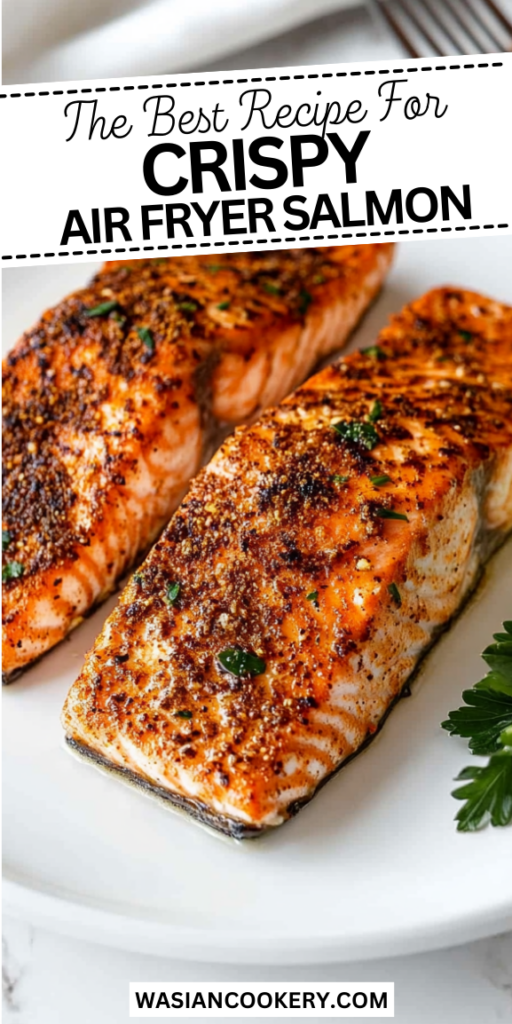
I've cooked salmon over countless campfires and in cramped trail kitchens, and I've learned that simplicity wins. The best way to cook fresh salmon is a hot cast-iron skillet, a good sear, and not messing with it too much. This method gives you that crispy skin and buttery, medium-rare center that makes you close your eyes and savor.
Advertisements1
You don't need a fancy marinade or a dozen ingredients. Just a quality fillet, a little oil, and salt and pepper. The technique is everything: get the pan screaming hot, pat the fish dry, and let it cook undisturbed until it releases naturally. That's the secret.
Whether you're at home or on a camping trip, this recipe is your ticket to restaurant-quality salmon in minutes. Let's fire up the stove and get to it.
Why You'll Love This Recipe
About the Ingredients
4 (6-ounce) skin-on salmon fillets
Look for bright, firm flesh with a mild scent. If using frozen, thaw overnight in the fridge. Substitute with arctic char or trout.
1 tablespoon olive oil or avocado oil
High smoke point oil is key for searing. Avocado oil is great, but olive oil works too. Avoid butter alone as it burns.
1 teaspoon kosher salt
Kosher salt has a cleaner flavor and less sodium per teaspoon than table salt. If using table salt, reduce to 3/4 teaspoon.
1/2 teaspoon freshly ground black pepper
Freshly ground pepper adds a punch. Pre-ground is fine, but use a bit less.
1 lemon, cut into wedges
For serving. A squeeze of lemon brightens the rich fish. Substitute with lime or a splash of white wine vinegar.
Fresh dill or parsley for garnish (optional)
Adds a fresh, herbal note. If you don't have fresh, use a pinch of dried dill.
Tips & Tricks
- Pat the salmon completely dry with paper towels before seasoning. Moisture is the enemy of crispy skin.
- Don't overcrowd the pan. Leave at least an inch between fillets so they sear, not steam.
- Let the salmon rest for 3-5 minutes after cooking to let the juices redistribute.
Pro Tips
Step-by-Step Instructions
1. Prep the Salmon
Pat the salmon fillets dry with paper towels. Season both sides generously with salt and pepper. Let sit at room temperature for 10 minutes.
2. Heat the Skillet
Place a cast-iron or heavy stainless steel skillet over medium-high heat. Add the oil and heat until it shimmers, about 2 minutes. The pan should be hot enough that a drop of water sizzles immediately (about 375°F / 190°C).
3. Sear Skin-Side Down
Carefully place the salmon skin-side down in the hot pan. Press gently with a spatula for 5 seconds to ensure full contact. Cook undisturbed for 4-6 minutes, until the skin is golden brown and crispy and the edges look opaque.
4. Flip and Finish
Flip the fillets and cook for another 2-4 minutes, depending on thickness. For medium-rare, the internal temperature should read 125°F (52°C) when inserted in the thickest part. For medium, cook to 135°F (57°C).
5. Rest and Serve
Remove from the pan and let rest for 3 minutes. Serve with lemon wedges and fresh herbs. The residual heat will finish cooking it perfectly.
Delicious Variations
Honey Garlic Glaze
Brush the salmon with a mixture of 2 tablespoons honey, 2 cloves minced garlic, and 1 tablespoon soy sauce during the last minute of cooking.
Lemon Herb Crust
Mix 1/4 cup panko breadcrumbs with lemon zest, chopped parsley, and a little olive oil. Press onto the top before searing.
Blackened Seasoning
Coat the fillets with a Cajun spice blend before searing for a spicy kick.
How to Store Best Way To Cook Fresh Salmon
Refrigerator
Store leftover salmon in an airtight container in the fridge for up to 3 days.
Freezer
Freeze cooked salmon in a sealed container for up to 2 months. Thaw overnight in the fridge.
Reheating
Reheat gently in a 275°F (135°C) oven for 10 minutes, or flake cold over salads.
Frequently Asked Questions
Q: How do I know when salmon is done?
The best way is to use an instant-read thermometer: 125°F (52°C) for medium-rare, 135°F (57°C) for medium, and 145°F (63°C) for well done. Also, the flesh should flake easily with a fork.
Q: Should I remove the skin before cooking?
No, leave the skin on. It protects the fish and gets deliciously crispy. If you prefer skinless, you'll need to reduce cooking time slightly.
Q: Can I use frozen salmon?
Yes, but thaw it completely in the refrigerator overnight and pat it very dry before cooking. Frozen salmon can be a bit more watery, so extra drying is key.
Q: What sides go well with salmon?
Anything from roasted asparagus, garlic mashed potatoes, or a simple green salad. The salmon is versatile and pairs with both light and hearty sides.
Q: Why is my salmon sticking to the pan?
It's not ready to flip. If it sticks, the skin hasn't crisped enough. Let it cook longer and it will release naturally. Also, ensure your pan is hot enough.
Now you've got the skills to cook perfect salmon every time. Get out there and explore, and don't forget to share your adventures with me!
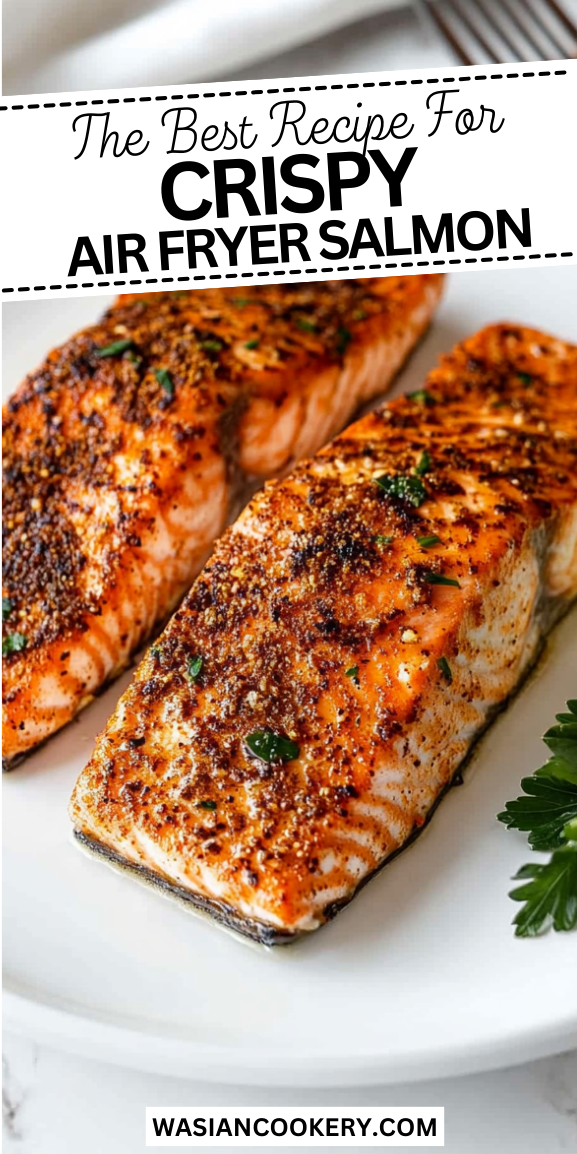
Best Way To Cook Fresh Salmon
Best Way To Cook Fresh Salmon – learn the foolproof pan-searing method for crispy skin and tender, flaky fish every time.
🧂 Ingredients
- 4 (6-ounce) skin-on salmon fillets
- 1 tablespoon olive oil or avocado oil
- 1 teaspoon kosher salt
- 1/2 teaspoon freshly ground black pepper
- 1 lemon, cut into wedges
- Fresh dill or parsley for garnish (optional)
📋 Instructions
- 1Prep the Salmon — Pat the salmon fillets dry with paper towels. Season both sides generously with salt and pepper. Let sit at room temperature for 10 minutes.
- 2Heat the Skillet — Place a cast-iron or heavy stainless steel skillet over medium-high heat. Add the oil and heat until it shimmers, about 2 minutes. The pan should be hot enough that a drop of water sizzles immediately (about 375°F / 190°C).
- 3Sear Skin-Side Down — Carefully place the salmon skin-side down in the hot pan. Press gently with a spatula for 5 seconds to ensure full contact. Cook undisturbed for 4-6 minutes, until the skin is golden brown and crispy and the edges look opaque.
- 4Flip and Finish — Flip the fillets and cook for another 2-4 minutes, depending on thickness. For medium-rare, the internal temperature should read 125°F (52°C) when inserted in the thickest part. For medium, cook to 135°F (57°C).
- 5Rest and Serve — Remove from the pan and let rest for 3 minutes. Serve with lemon wedges and fresh herbs. The residual heat will finish cooking it perfectly.

Liam writes about outdoor adventure and gear, focusing on budget-friendly options and safety. He tests equipment in real conditions and shares honest assessments for hikers and campers.